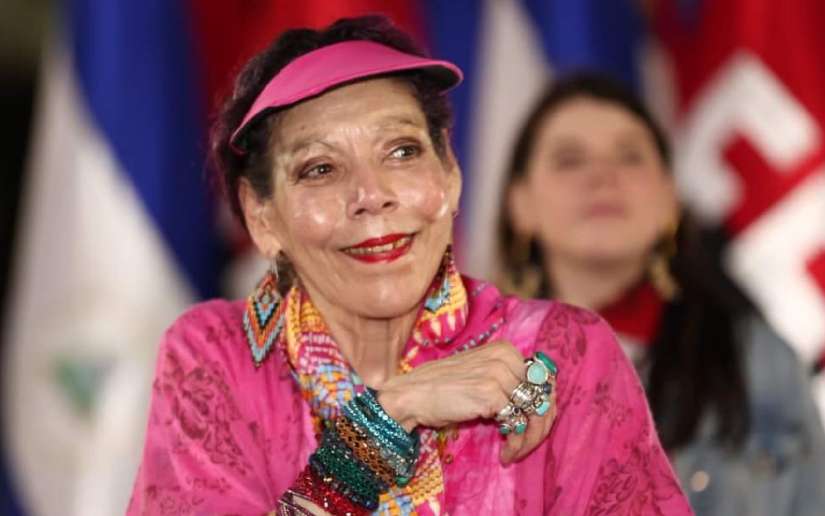
For no one in Nicaragua is it a secret that Rosario Murillo has become the absolute center of power. From her office behind the walls of the El Carmen complex in Managua, she now controls the economy, repression, foreign policy, local governments, and the few FSLN organs that are still useful to her, such as the political secretariats of the Sandinista Front.
Daniel Ortega, who is turning 80 this month, sick, stiff, and rigid, is little more than a puppet who repeats tiresome speeches on the platforms set up for him in the plazas during certain “revolutionary” dates, and who starts “dancing” with the groups brought in to liven up the plaza to hide the fact that the crowds have disappeared.
Related: Countries applaud the idea of suing the Ortega regime before The Hague, but none take the initiative
But who are Murillo’s key figures, now 74 years old, with whom she has consolidated the structure that serves her and, according to her plans, will serve her apparent heir, her son Laureano?
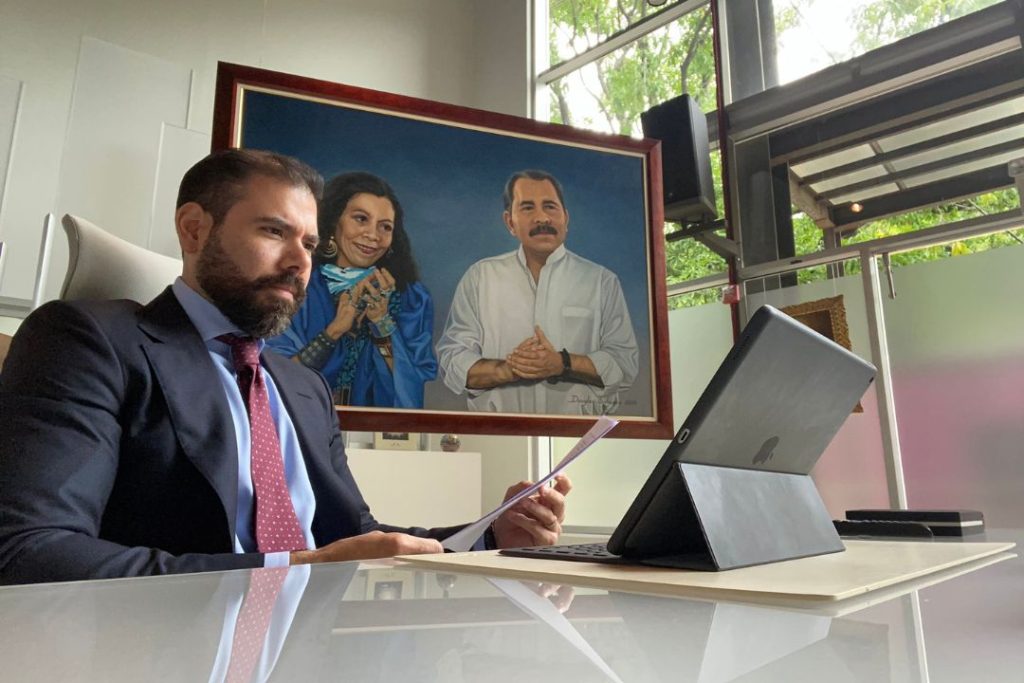
In the area of Economy and Finance
The management of public finances and the economy has fallen to the president of the Central Bank, Ovidio Reyes Ramírez, who functions as a sort of super-minister of the economic area, despite the fact that in the past he was considered an ally of the imprisoned Bayardo Arce.
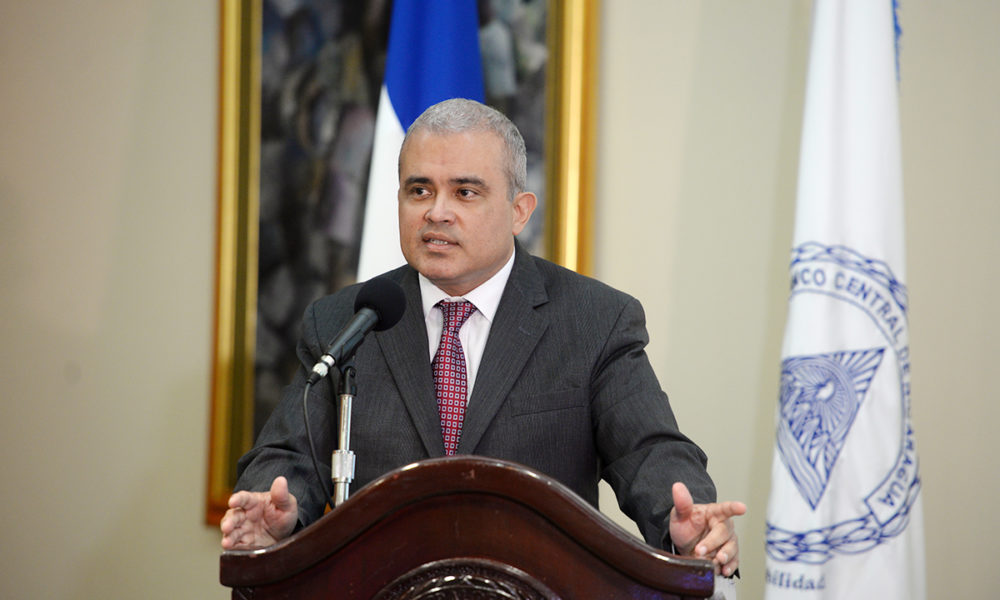
The Ministers of Development, Industry and Trade (Erwin Ramírez) and of Finance and Public Credit (Oscar Mojica Aguirre) were appointed in August and September, respectively.
“For years Ovidio Reyes has managed to work well with Rosario Murillo and is the one who receives instructions from the co-dictator,” said a former official of the Ministry of Finance and Public Credit who knew Reyes Ramírez from his time as an advisor to the liberal former minister of that portfolio, Eduardo Montealegre Rivas, during the government of former President Enrique Bolaños, and who requested anonymity.
The Repressive Apparatus
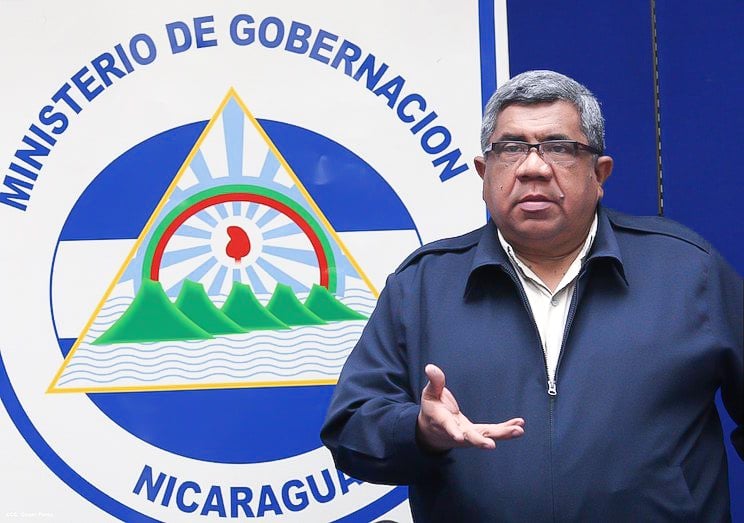
With the fall from grace and the supposed imprisonment of the presidential security advisor, Néstor Moncada Lau; the former deputy director of Police Intelligence, Adolfo Marenco Corea, who remains missing; the former security affairs ministerial advisor, Horacio Rocha López; and the replacement of the head of the Directorate of Information for Defense (DID) of the Nicaraguan Army, Brigadier General Rigoberto Balladares, who remains in the military ranks, the tasks of persecution and intelligence of the regime have fallen to the Deputy Chief of the Police Forces, Commissioner General Juan Victoriano Ruiz Urbina; the Vice Minister of the Interior, Luis Cañas; and Commissioner General and Deputy Director of the Police and Head of Police Intelligence, Zhukov Serrano Pérez.
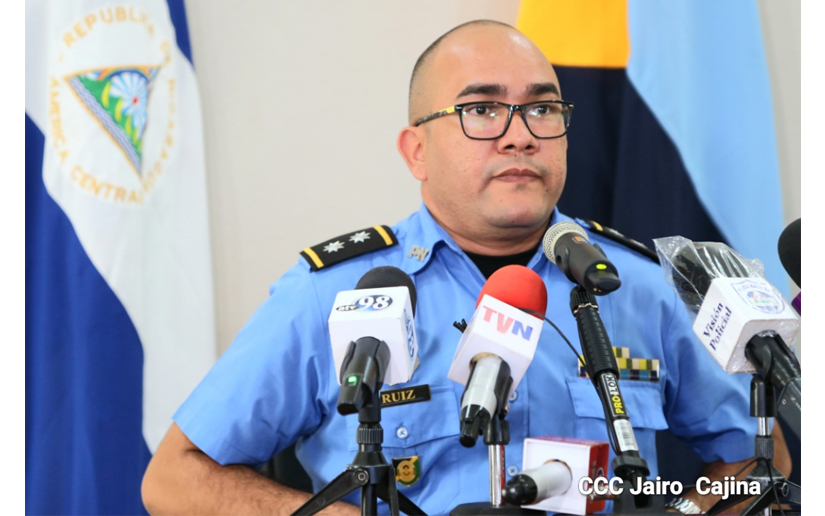
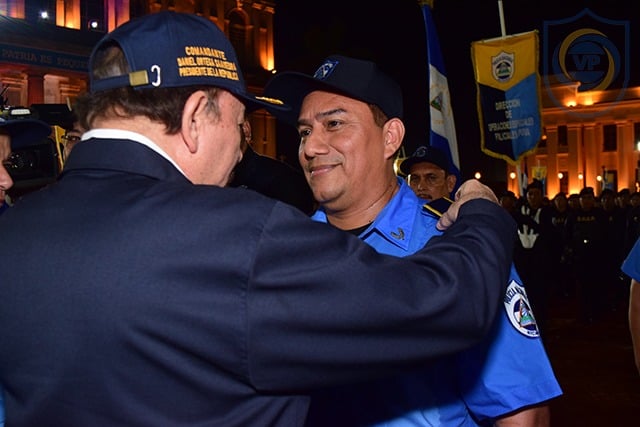
The little power that the father-in-law, also Deputy Chief of the Police Forces Francisco Díaz, had is purely decorative.
In the DID, Balladares was replaced by his second-in-command, Colonel Álvaro Peña Núñez.
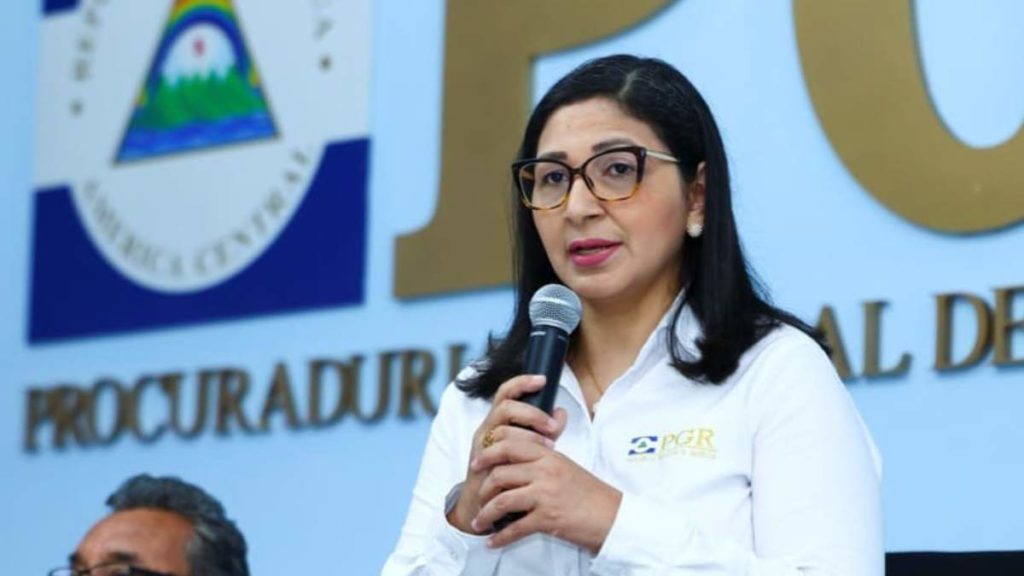
As a new repressive element, the Office of the Attorney General of Justice has emerged, headed by Wendy Morales. The PGJ has absorbed the former Office of the Attorney General of the Republic and the Office of the Prosecutor General of the Republic, which, at least nominally, continues to be headed by the former Deputy Director of the Police, Ana Julia Guido.
The Weakened Legislative and Judicial Branches
Article 132 of the Constitution, reformed in 2025, enshrines total executive control over the powers of the State: “The presidency coordinates the legislative, judicial, electoral, control, and oversight bodies in fulfillment of the supreme interests of the people.”
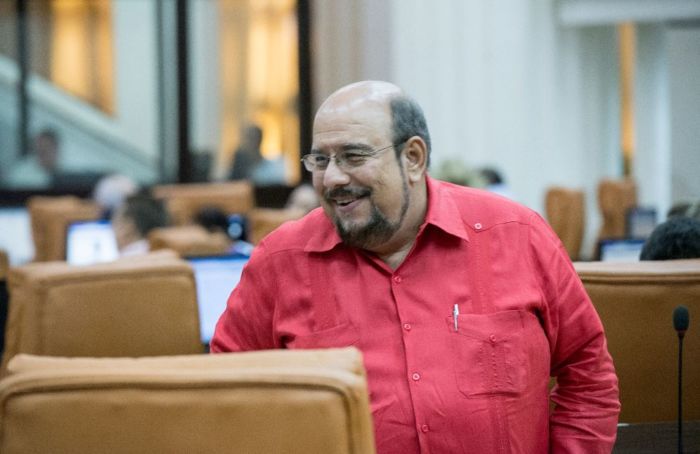
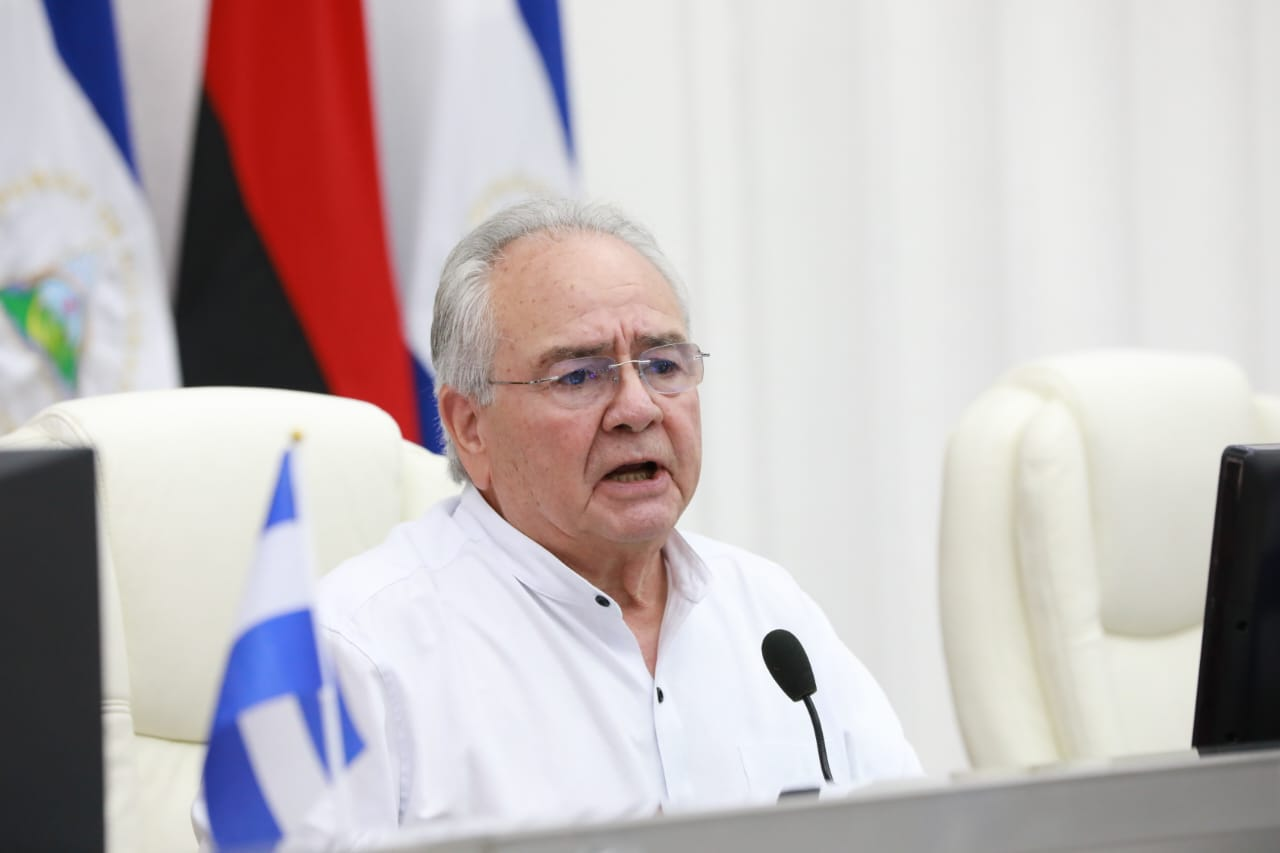
The National Assembly, during the 16 years of democratically elected governments, was known as “the first power of the State.” But now, after the constitutional reform reduced it to an executive body, Gustavo Porras, the eternal president, and Edwin Castro, FSLN caucus leader, manage it at Murillo’s whim. There, the 91 deputies merely press buttons and never debate any initiatives; only what comes from El Carmen is approved.
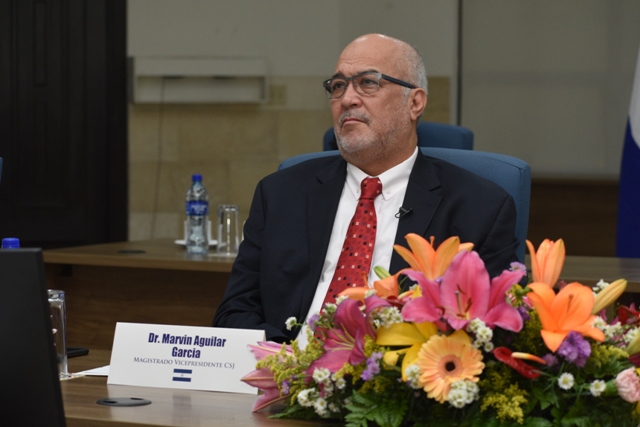
The other body, the Judiciary, should be headed by the Supreme Court, but it remains disjointed even though the constitutional reforms were approved in the second legislative session last February. Judicial decisions are directly ordered by Murillo to Justice Marvin Aguilar, who was appointed “acting president” of the Court following the dismissal—still not officially confirmed—of Justice Alba Luz Ramos.
Also read: Part I | The DID was the first “battleground” between Rosario Murillo and Julio César Avilés
The “Agitated” Foreign Policy
Although foreign policy has essentially been consistent since Ortega returned to power in 2007—aligning with authoritarian regimes such as Venezuela, Russia, Cuba, Iran, and, since December 2021, China—the movement of officials has been constant.
In July 2024, the powerful former Vice Minister of Foreign Affairs and head of external cooperation, Arlette Marenco, fell from power and was imprisoned along with her husband for alleged unauthorized acts of corruption.
The ministerial office has been alternately occupied by Denis Moncada Colindres and Valdrack Jaencthcske at different times, until the appointment—clearly orchestrated by Murillo—of two co-ministers of Foreign Affairs, a unique case in the world, last September.
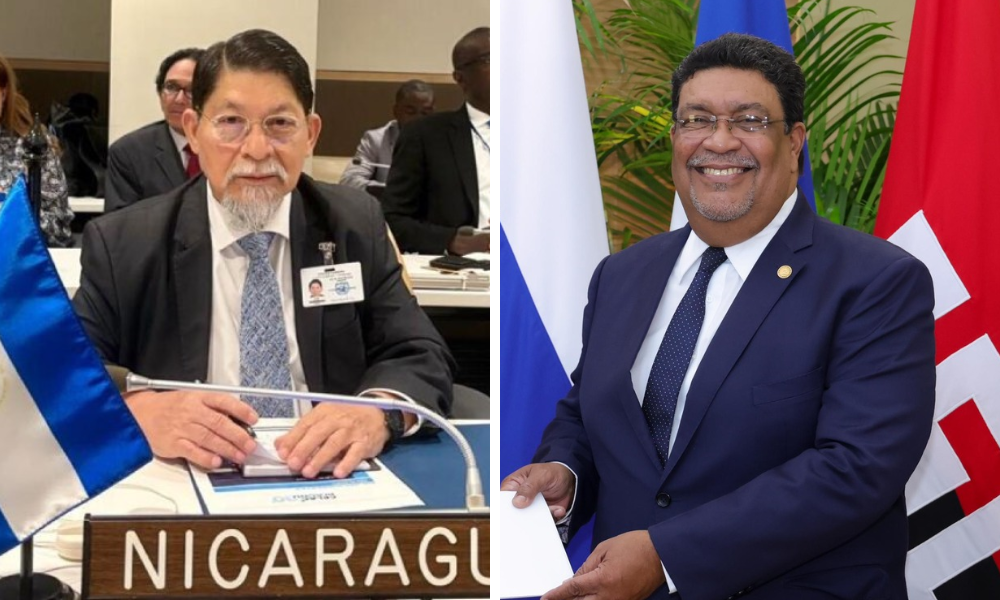
But who gives the orders in foreign policy? “In this area, so sensitive for any government, it is clear that the one managing Nicaraguan diplomacy from her home—so chaotic and erratic—is the co-dictator herself, Rosario Murillo, since even the speeches read by the co-ministers of foreign affairs have to be approved by her,” said a former Nicaraguan ambassador during the administrations of former Presidents Arnoldo Alemán and Enrique Bolaños, who requested anonymity.
Also read: Ortega and Murillo have spent eight months of their totalitarian regime without vice presidents
“And with the assignment of duties to her son Laureano, to directly handle relations with the People’s Republic of China and Russia, both Jaencthcske and Moncada are increasingly being sidelined internationally, serving as aides to Laureano, who is also Presidential Advisor for Investments and Cooperation—the position previously held by Álvaro Baltodano,” the source said.
Control of Municipalities Through Political Secretaries
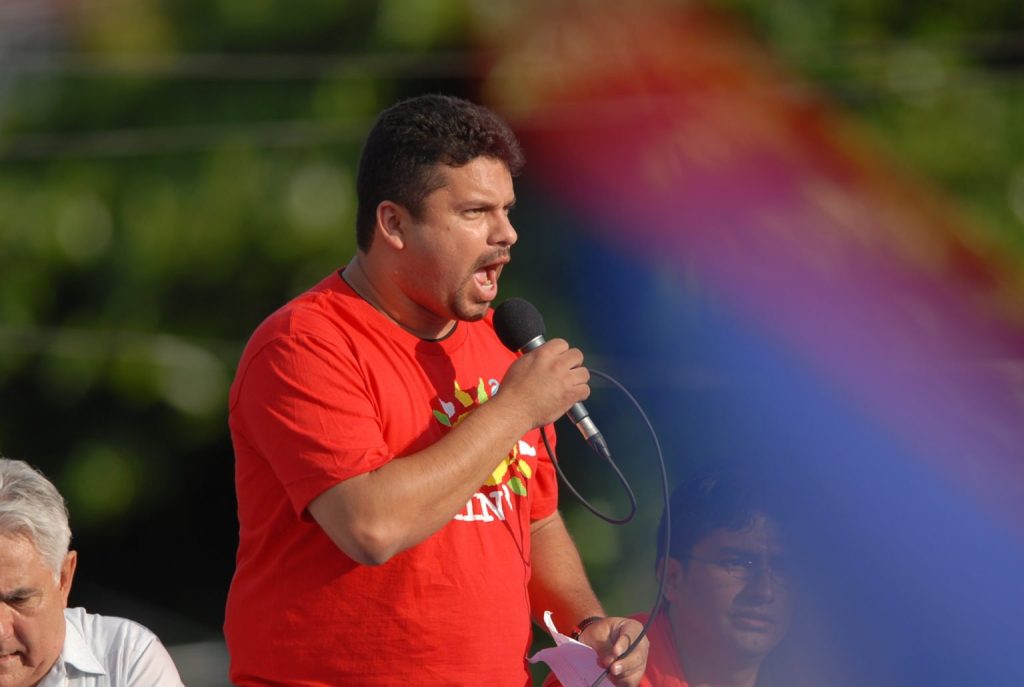
By the end of last year, 21 mayors and 4 vice-mayors were dismissed, despite their Sandinista affiliation, by the long arm of the dictatorship. The person in charge of executing the dismissal of Sandinista mayors and vice-mayors is none other than the FSLN’s Secretary of Organization, Fidel Moreno. He is also the one who carries out Rosario Murillo’s orders to remove political secretaries, such as Evertz Delgadillo in León. Delgadillo was judicially prosecuted for Treason to the Homeland at the end of September this year.
The Crushing of the 2018 Rebellion Allowed Murillo to Consolidate Her Power
Analysts such as Óscar René Vargas argue that the social uprising of 2018 marked the turning point that accelerated the absolute concentration of power: “The first ring of power was purged, but others remain—like Gustavo Porras or Fidel Moreno—who are part of a second circle, directly subordinated to Rosario Murillo.”
Sociologist Vargas summarizes the new internal logic: “There is no ideology anymore. Loyalties are bought with economic perks.” Analyst Juan Diego Barberena agrees: “The structure has been reconfigured around material interests. The revolution has been replaced by the administration of privileges.”
The So-Called “Historical” Sandinism Is Now History
Nothing remains of the so-called historical Sandinism today; not a trace of the power once held by iconic figures of the Sandinista dictatorship of the 1980s.
Of the nine commanders who made up the former National Directorate of the Sandinista Front in the 1980s, only one—the Mexican Víctor Tirado López—supposedly supports the dictatorship. Tirado holds no public office and has no real influence; for more than four years, he has been sidelined into obscurity. Even his own son has denounced that the 85-year-old former Mexican commander, already ill and the oldest of the once-nine commanders, has been politically manipulated.
Other emblematic names of former guerrillas, now well into old age, are also fading from memory: Bayardo Arce (76), former presidential economic advisor, now under house arrest; and Álvaro Baltodano (73), retired Brigadier General and former key figure in foreign investments, imprisoned. Others, like Humberto Ortega (R.I.P.), brother of the co-dictator and founder of the Sandinista Popular Army, died under police custody.
Also read: Regime reconfigures its security apparatus with the new Office of the Attorney General of Justice
Other former ministers of great influence, such as ex-Foreign Minister Samuel Santos (87) and Emilio Rappaccioli (85), remain on the state payroll as “advisors,” but not a trace of the power they once held remains.