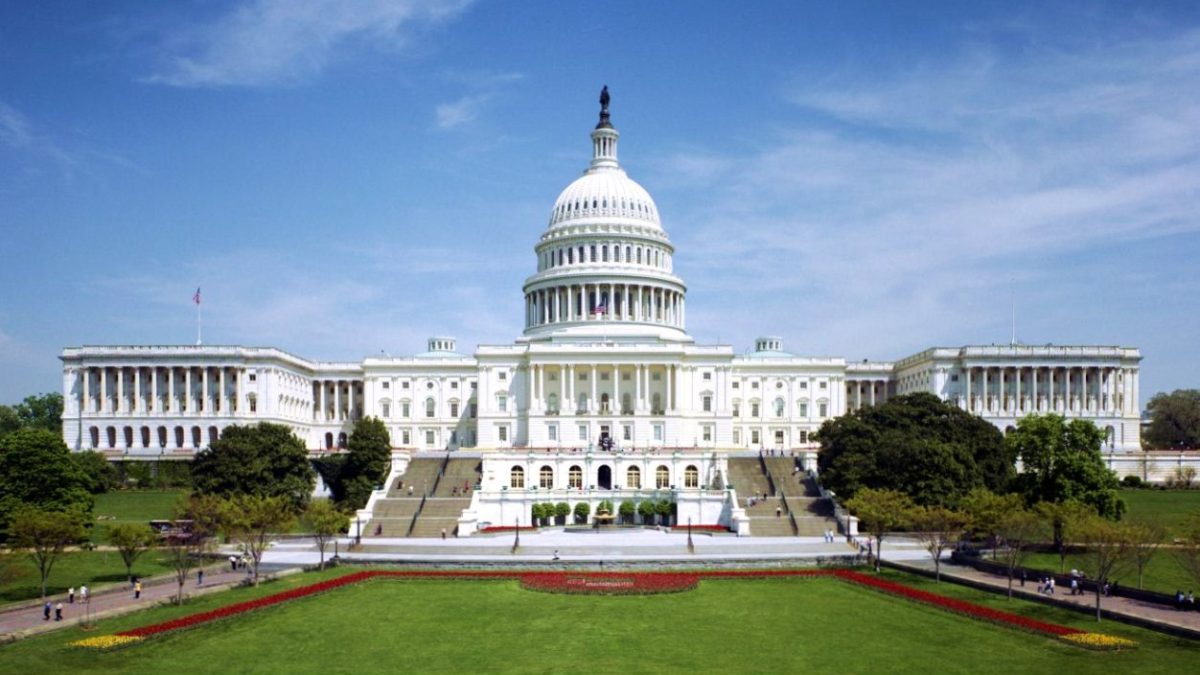
The U.S. House Appropriations Committee has requested that the Department of State brief Congress on steps to support a «democratic transition in Nicaragua,» including restoring fundamental freedoms and independent institutions, as well as measures to reduce the country’s reliance on China.
The request is contained in Report 119-631, which accompanies the Department of State, Foreign Operations, and Related Programs Appropriations Act for Fiscal Year 2027 (H.R. 8595). The bill was approved by the House of Representatives in July and sent two weeks later to the Senate, where it remains pending approval and has not yet become law.
«Not later than 90 days after the date of enactment of this Act, the Secretary of State shall submit to the Committees on Appropriations a report on efforts to support a democratic transition in Nicaragua, including the restoration of fundamental freedoms, independent institutions, human rights and religious liberty, actions to curb Nicaragua’s dependence on the PRC, and the conditions necessary for credible, free, and fair elections,» the report states.
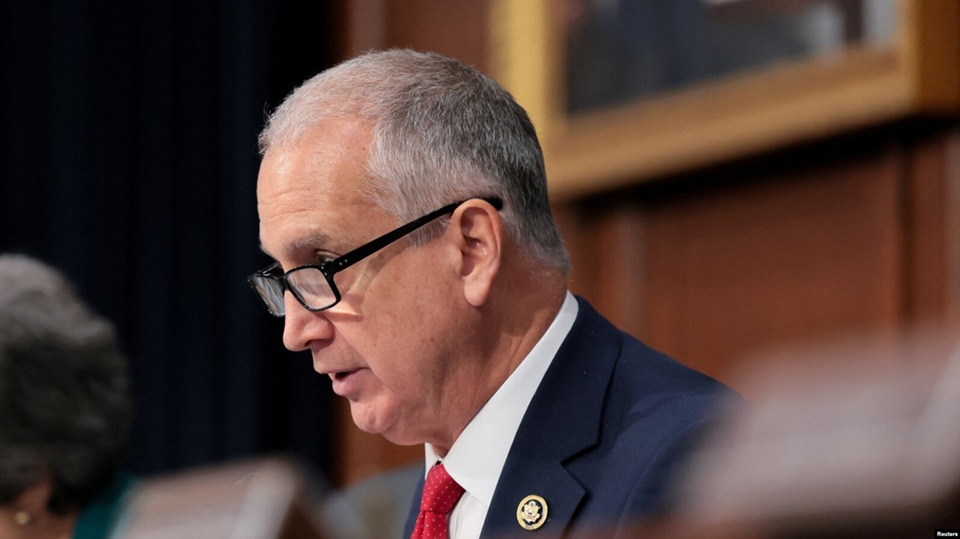
The report on Nicaragua carries the backing of Representatives Tom Cole (Republican) and Rosa DeLauro (Democrat) —the chairman and ranking member of the House Appropriations Committee, respectively— highlighting the bipartisan support for its recommendations.
The bill stipulates that the U.S. government allocate no less than $15 million for democracy and religious freedom programs in Nicaragua for Fiscal Year 2027, which runs from October 1, 2026, to September 30 of the following year.
Funding Allocated for Democracy, Not for a Transition Plan
The $15 million would be drawn from national security investment programs. According to the text of the legislation, these funds are designated for democracy and religious freedom programs, not for an operational transition plan.
Report 119-631 supports continued funding for democratic initiatives in Nicaragua as set forth in the bill. However, its recommendation explicitly excludes funding for policies, programs, or activities within Nicaragua, except those that «directly promote freedom, democratic governance, religious freedom, and legitimate, free, and fair elections.»
State Department Report to Address China’s Presence
The report required from Secretary of State Marco Rubio within 90 days of the bill’s enactment must outline measures to restore fundamental freedoms, independent institutions, human rights, and religious liberty; actions to curb Nicaragua’s dependence on the People’s Republic of China; and the prerequisites for holding credible, free, and fair elections.
«The Committee is further concerned that engagement by the PRC has helped sustain this repressive regime and deepened Nicaragua’s alignment with authoritarian adversaries hostile to United States national security interests and democratic governance in the hemisphere,» the committee wrote in the report.
Additionally, the United States is concerned about the “Ortega-Murillo regime’s political, economic, and security ties with Iran”.
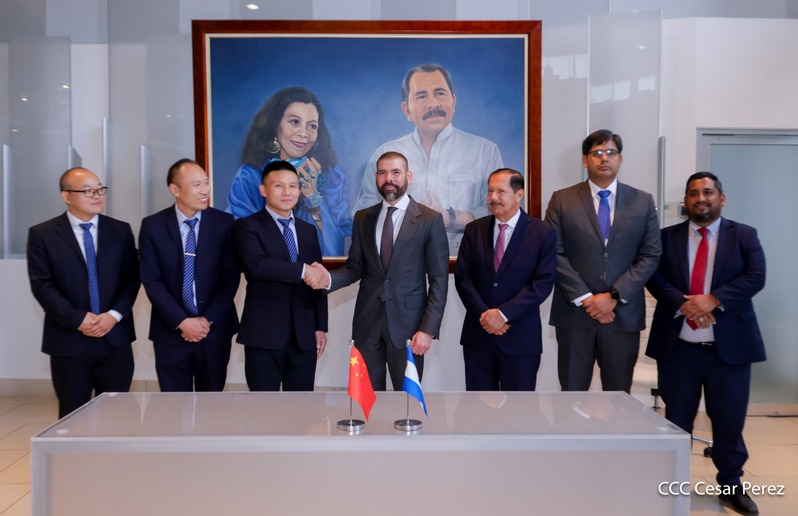
Facing growing international isolation, the Ortega-Murillo regime has chosen to consolidate ties with China, Russia, and Iran —three primary U.S. adversaries—. Chinese mining companies operating in Nicaragua alone currently control nearly 10% of the national territory, according to the environmental organization Fundación del Río. Furthermore, reports indicate ongoing Russian and Chinese support for training and security assistance to Nicaraguan police and military officers.
Deep Concern Over Nicaragua’s Deteriorating Crisis
In the document, the Appropriations Committee highlights its «deep alarm» over the Ortega-Murillo regime’s systematic dismantling of democratic institutions, persecution of political opposition, closure of civic space, attacks on independent media and civil society, and ongoing violations of human rights and religious freedom, including the severe persecution of the Catholic Church, Catholic charities, and Catholic educational institutions.
«The Committee remains concerned by the continued repression and malign conduct of the authoritarian regimes in Cuba and Nicaragua, whose actions undermine democratic governance, fuel instability and migration, and threaten United States national security interests,» the document notes.
The Ortega-Murillo regime has held power for 19 years and, since 2018, has been accused of severe human rights violations, including extrajudicial killings, arbitrary deprivation of nationality, and transnational repression. Over these years, the regime has systematically dismantled state checks and balances, subordinating all branches of government to the executive branch. On September 1, the National Assembly passed the first reading of a constitutional reform that eliminates competitive elections and seeks to consolidate perpetual power through extended seven-year presidential terms. The measure has been widely condemned and rejected by the international community.
Regarding religious persecution, between 2019 and lent 2026, the regime banned more than 28,000 religious processions, as documented by attorney and researcher Martha Patricia Molina, author of the report series “Nicaragua: A Persecuted Church?”
«The Committee reiterates that the people of Nicaragua deserve the restoration of fundamental freedoms, independent institutions, and the opportunity to choose their leaders through credible, inclusive, free, and fair elections. The Committee does not regard continued repression, authoritarian consolidation, or sham electoral processes as acceptable substitutes for democratic rule.»