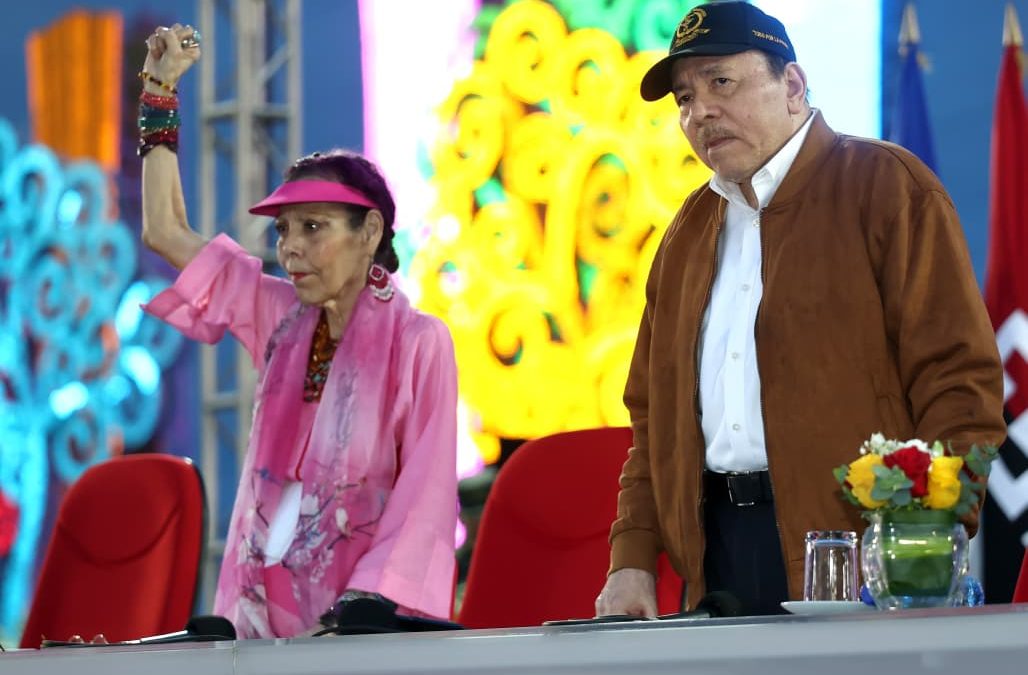
Four analysts from the Center for Strategic and International Studies (CSIS), a prestigious U.S. think tank founded in 1962, concluded in a report published in September that the regime of Daniel Ortega and Rosario Murillo represents a regional threat.
The document, authored by four analysts including CSIS’s interim director, states that the reasons the Nicaraguan regime poses a threat lie in its relations with China, Russia, and, to a lesser extent, Iran, as well as its repressive policies that drive expanding migration flows.
«Nicaragua poses an urgent security threat, with the country’s large-scale displacement, irregular migration, and transnational repression undermining stability across the Western Hemisphere«, the analysts argued in the report.
You might also read: Why Beijing Is Defending Ortega’s Constitutional Overhaul in Nicaragua
This analysis comes at a pivotal month for Nicaragua as it awaits a meeting of foreign ministers at the Organization of American States (OAS) to evaluate the country’s democratic breakdown. This evaluation follows Ortega’s decision to abolish elections, while his regime’s ties to Russia, China, and Iran are being closely monitored by the Donald Trump administration in the United States.
«State-sponsored transnational repression in neighboring countries also raises serious security concerns,» the report emphasizes, referring to the regime’s acts of extraterritorial repression in at least four countries, including Honduras and Costa Rica. The latter has seen several attacks targeting exiled dissidents. Two of these attacks resulted in deaths: retired Nicaraguan Army Major Roberto Samcam and peasant movement leader Jaime Luis Ortega Chavarría.
The Influence of China, Russia, and Iran
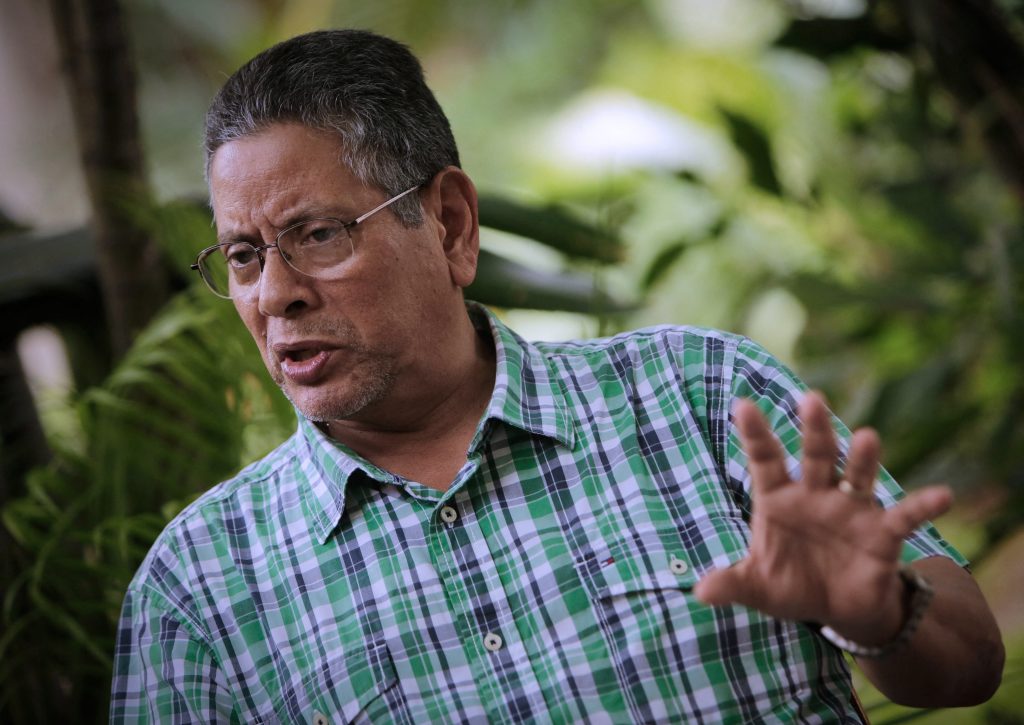
The report was authored by analysts Christopher Hernández-Roy, Henry Ziemer, Kaela Werchniak, and Antonella Navarro. They point out that the influence of U.S. adversarial powers —China, Russia, and Iran— in Nicaragua has led to a series of agreements with the Ortega-Murillo regime, most of them signed by the dictatorial couple’s son, Laureano Ortega Murillo.
Read also: Mohsen Rezai: Daniel Ortega’s Iranian Ally Rises to Top Security Post in Tehran
«Nicaragua’s engagement with both China and Russia is likely to deepen going forward. The Ortega-Murillo regime cannot afford to go without the economic and security assistance that Beijing and Moscow can provide» the experts explained.
Recommendations to Increase Pressure on the Regime
The analysts recommended that the United States increase economic pressure on the regime and its revenue sources, including suspending Nicaragua from the Dominican Republic-Central America Free Trade Agreement (CAFTA-DR). They suggested Canada apply pressure by «imposing stricter transparency and due diligence requirements» on Canadian companies operating in the country’s gold sector.
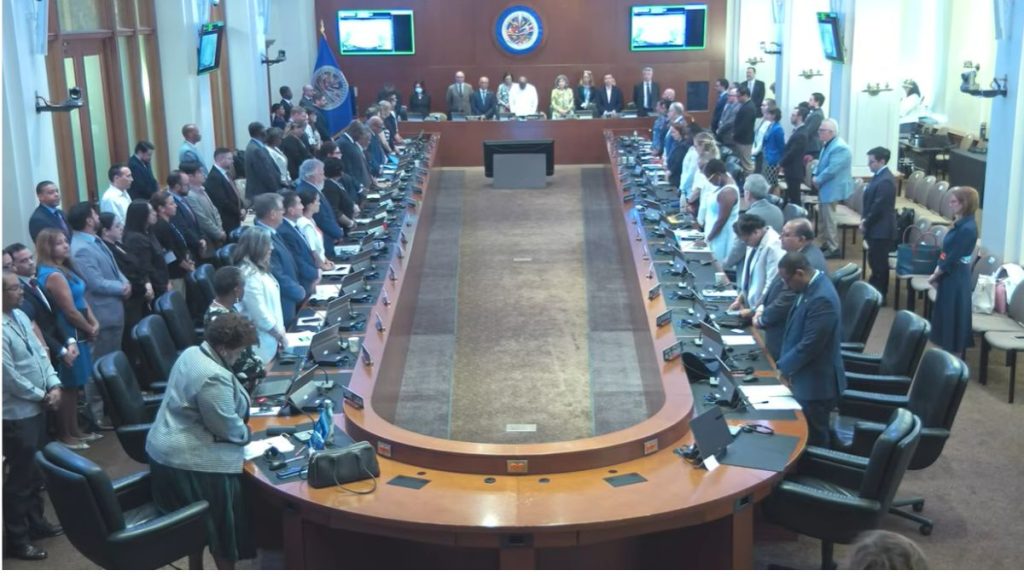
They urged OAS foreign ministers to call on the European Union to «review the political and human rights provisions of its Association Agreement with Central America.» Furthermore, they noted «The United States and other democratic shareholders should use their influence within international financial institutions to limit the resources available to the Ortega-Murillo regime»
Who Are the Experts Behind the Report?
Christopher Hernández-Roy is acting director and senior fellow with the CSIS Americas Program. He previously served as a senior official at the OAS, leading its Public Security and Sustainable Democracy divisions, where he monitored Nicaragua’s political and human rights situation. He also participated in resolving border disputes between Honduras and Nicaragua. His work focuses on democracy, security, organized crime, and geopolitics in Latin America.
Henry Ziemer is a fellow with the CSIS Americas Program. His work focuses on geopolitical competition, organized crime, and emerging technologies in Latin America. He has extensively researched China’s growing influence in the region’s ports and strategic infrastructure, analyzing the risks Chinese presence poses to U.S. security and strategic interests.
Kaela Werchniak is a program coordinator and research assistant with the CSIS Americas Program. She previously served as a Peace Corps volunteer in Colombia. Her research addresses international trade, development, migration, and democratic governance. She holds bachelor’s degrees in Political Science and Spanish from the University of Arizona and a Master of Public Policy from the University of Maryland.
Antonella Navarro is an intern with the CSIS Americas Program.