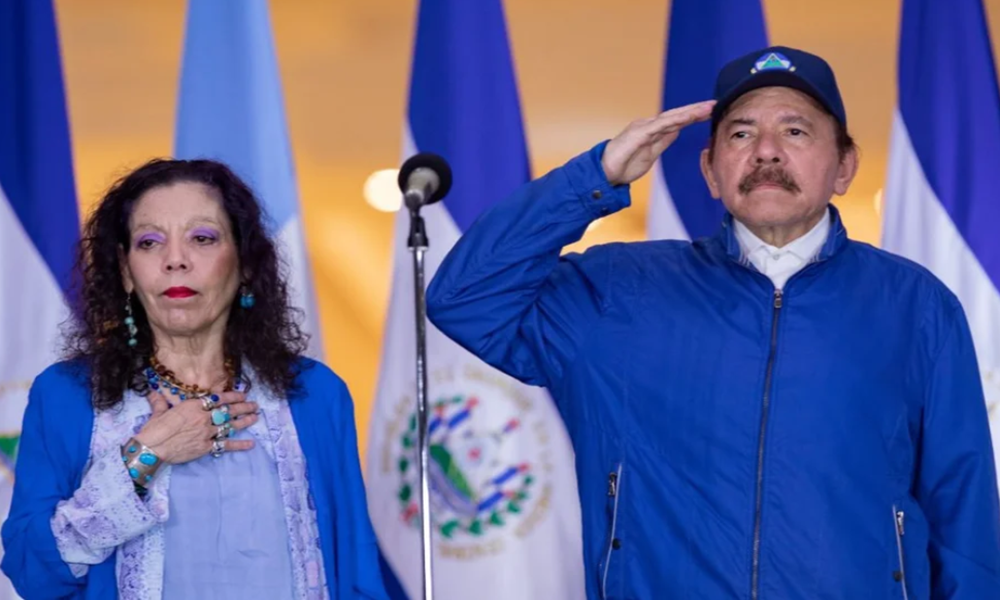
Nicaraguan rulers Daniel Ortega, 80, and Rosario Murillo, 75, are seeking to remain in power until at least 2040, using sweeping constitutional and electoral reforms now being drafted by the legislature they control. Ortega and Murillo first assumed the presidency on January 10, 2007, and have ruled the country ever since.
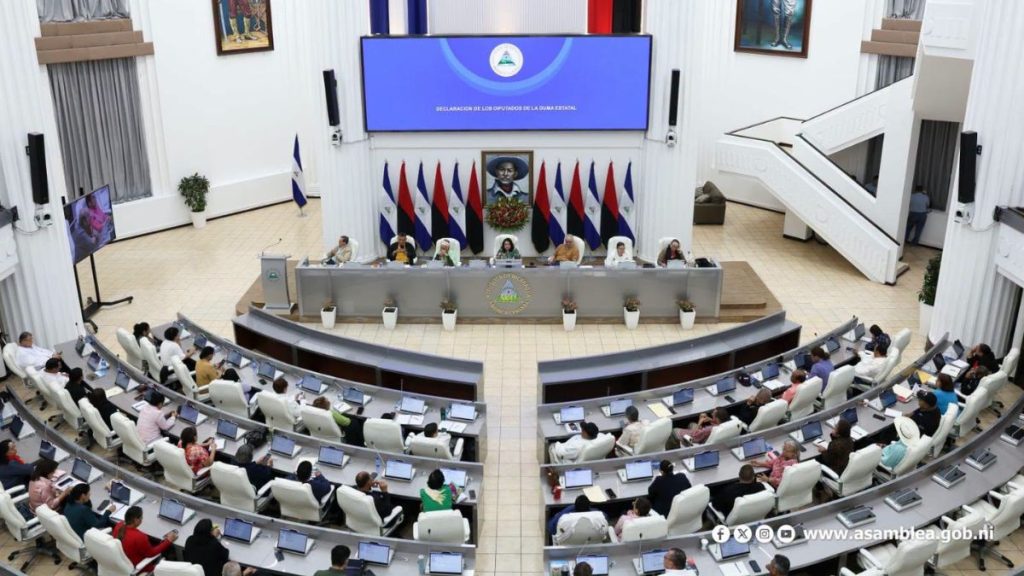
On Tuesday, July 28, National Assembly Speaker Gustavo Porras told lawmakers that the government is proposing renewable seven-year presidential terms, replacing the current six-year mandate. He made the announcement while unveiling a special legislative commission tasked with reviewing constitutional amendments ordered by Ortega on July 19, when the regime formally announced the elimination of elections.
With elections effectively abolished, the National Assembly is laying the legal groundwork to extend Ortega’s rule indefinitely. The process, described by the government as a nationwide «consultation,» is expected to last at least one month before lawmakers approve the reforms during the «Month of the Homeland» celebrations in September.
The constitution enacted earlier this year, which elevated Murillo to the newly created position of «co-president,» had established six-year presidential terms, meaning the next election would have been scheduled for November 2027. Porras argued that extending terms to seven years would «ensure stability in vision, operations and continuity,» allowing the government to respond more effectively to the country’s «material, cultural and spiritual needs.»
Read also: Central America Must Condemn Nicaragua’s Dictatorship After Ortega Rejects Elections
Exiled Opposition Condemns the Move
Opposition figures in exile denounced the proposal after Ortega announced the abolition of elections.
Juan Sebastián Chamorro, coordinator of the opposition group Citizens for Freedom (CxL) and a former political prisoner, described Porras as «unpresentable.» Porras, a close Murillo ally, was included in an April 2025 United Nations list identifying officials accused of repression.
Former Sandinista guerrilla commander Dora María Téllez, now a leading critic of Ortega and member of the opposition party UNAMOS, wrote on social media that the reforms are designed to perpetuate the dictatorship.
«Of course there won’t be re-election, because there won’t be elections,» she wrote.
The Assembly’s leadership also formally introduced the constitutional amendment bill for «study, consultation and committee review.» Additional legislation will also be amended, according to First Secretary Loria Raquel Dixon, a member of the ruling Sandinista party.
Tightening the Grip on Power
The parliamentary session took place one day after government officials met with members of the diplomatic corps to explain the proposed reforms amid growing international condemnation of the abolition of elections.
Porras told ambassadors that future electoral processes in Nicaragua would exclude «traitors» and candidates financed by foreign donors.
The criminalization of political opposition has become a defining feature of Ortega’s rule. In 2021, the regime jailed virtually every viable opposition presidential contender ahead of elections. In 2023, it expelled 222 political prisoners to the United States, stripping them of their citizenship and political rights after labeling them traitors.
Porras said the reforms would prohibit from seeking elected office or holding appointed public positions anyone who «has exercised leadership, financing, direct or indirect participation, or any type of involvement in the planning, preparation or execution of an attempted or successful coup d’état.»
You may be interested: Chinese Military Presence in Nicaragua Draws Warnings Over Secrecy and Geopolitical Risks
Legal Expert Calls Reforms «Illegal and Illegitimate»
Constitutional lawyer María Asunción Moreno argued on X that the reforms could allow the current presidential term to be extended through 2028, before being «renewed» for another seven years without free elections through consultations with what the regime calls the «People Presidency.»
Moreno said the changes are illegal because the National Assembly lacks the authority to alter Nicaragua’s political system in this way.
«The 2025 Constitution and these de facto reforms are illegal and illegitimate from their origin. They are non nata reforms and therefore legally nonexistent,» she wrote.
Yubrank Suazo, a member of the April 19 Movement, said Ortega’s ultimate goal is to secure himself «a state funeral.»
«Daniel Ortega has officially stripped Nicaraguans of the sacred right to free and democratic elections. That is fear,» Suazo wrote.
Murillo Attacks Critics and Exiles
Hours after details of the consultation process became public, Murillo told state-controlled media that on September 1 the government would begin compiling the consultation’s results before formally presenting the constitutional reform package.
The co-ruler again lashed out at opposition leaders, exiles and independent media.
«There are people speaking against Nicaragua, people who were once Nicaraguans inventing lies,» Murillo said. She claimed that in the digital age those falsehoods multiply into «what those who control what I call the media of mass destruction want to spread—immense cages.»
Murillo also argued that those stripped of their nationality «are no longer Nicaraguans and therefore should not even speak» because they have lost that right.
She further accused the administrations of former presidents Violeta Barrios de Chamorro, Arnoldo Alemán and Enrique Bolaños of being selfish, hypocritical and subservient to foreign interests, while blaming them for keeping the country in poverty.
Read also: Five Reasons Why Daniel Ortega Is Considered a Threat to the U.S. and the Region