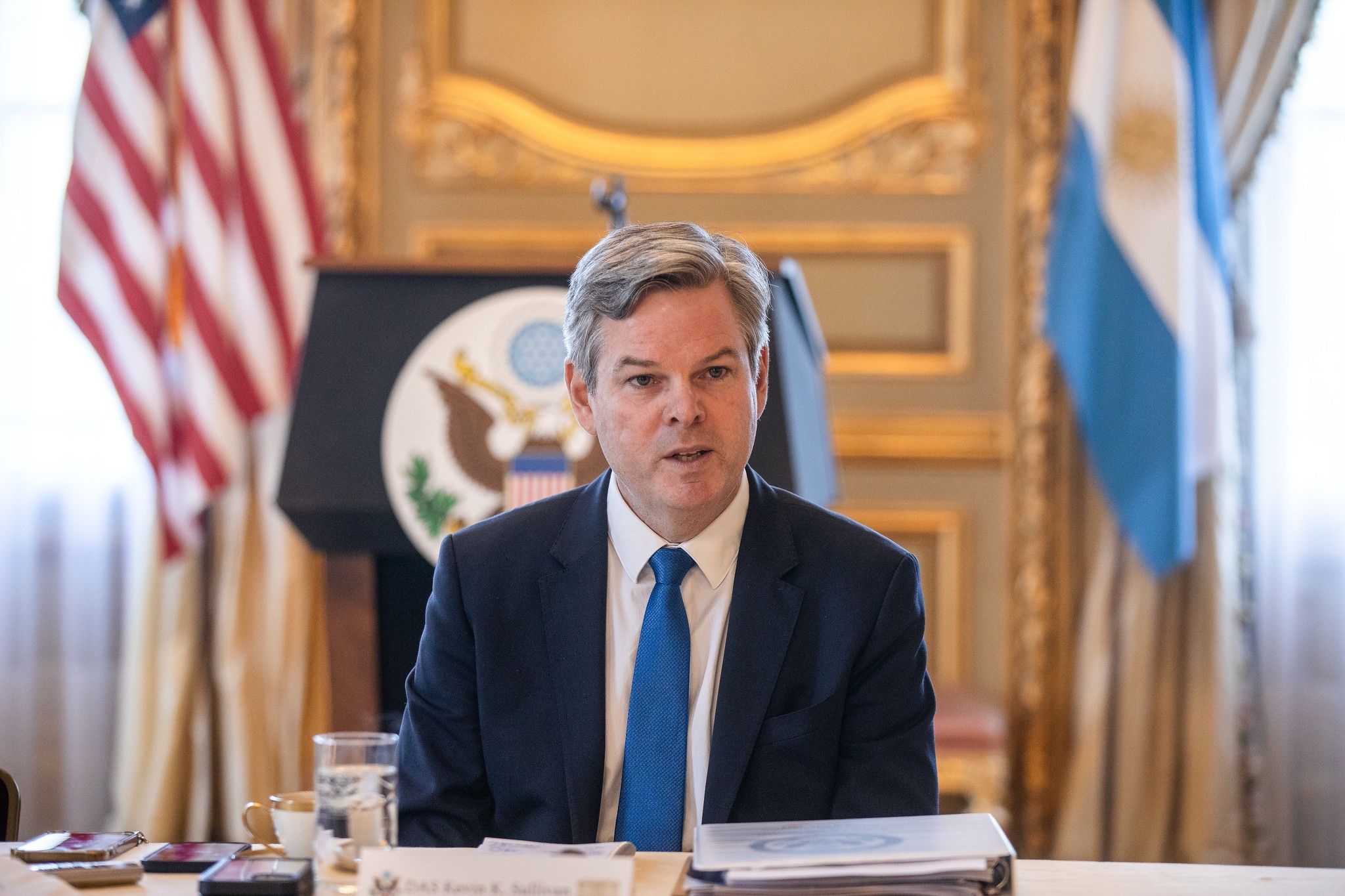
Former U.S. Ambassador to Nicaragua Kevin Sullivan said that “no one expected free elections, or even minimally competitive ones.” That was his response to dictator Daniel Ortega’s announcement abolishing elections during celebrations marking the 47th anniversary of the Sandinista Revolution.
Sullivan, the last U.S. diplomat to serve in Nicaragua with ambassadorial rank before his departure in 2023, shared his views in the U.S. magazine Americas Quarterly (AQ), offering a critical assessment of Ortega, Nicaragua’s democratic crisis, and U.S. policy toward the country.
He argued that the U.S. administration has demonstrated in Venezuela, and to some extent in Cuba, that it is willing to “take assertive measures to alter the status quo in the region’s authoritarian strongholds.”
“Will Ortega’s rejection of elections finally make Managua more than a secondary priority?” Sullivan asked.
Read also: Daniel Ortega Declares Nicaragua Will Never Hold Elections Again
The 2021 Electoral Sham
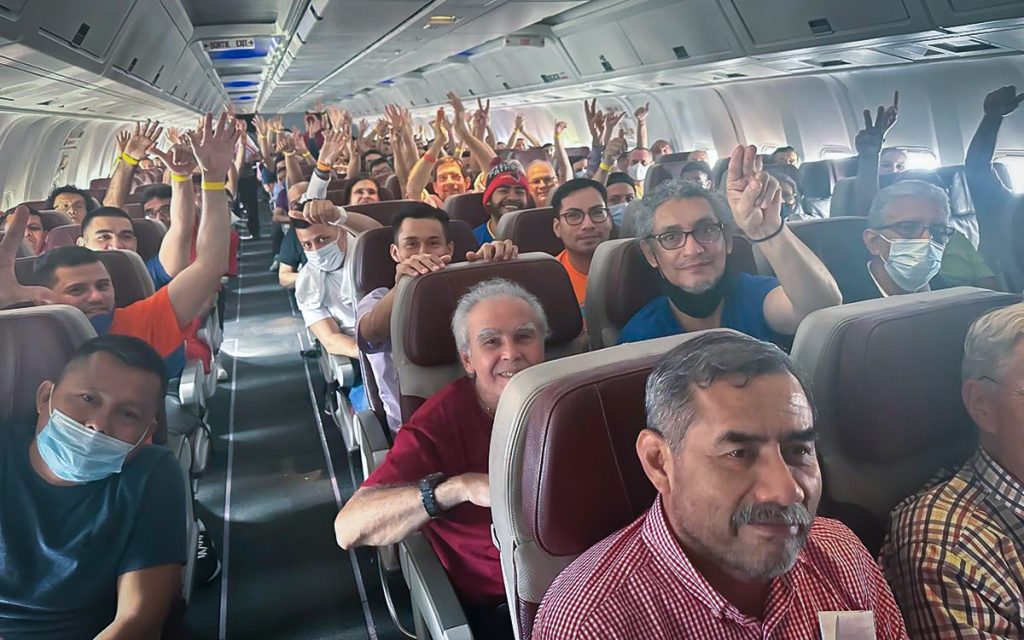
Sullivan knows Ortega’s dictatorship firsthand. He arrived in Nicaragua in 2018 and played a key role in securing the release of 222 political prisoners in February 2023. The regime subsequently stripped them of their citizenship and deported them to the United States.
“In the run-up to the country’s last presidential election, the Ortega regime jailed not one but seven potential opposition candidates, shut down or forced into exile independent media outlets, and closed numerous civil society organizations. The Biden administration described what remained of that year’s electoral process as a sham,” Sullivan explained.
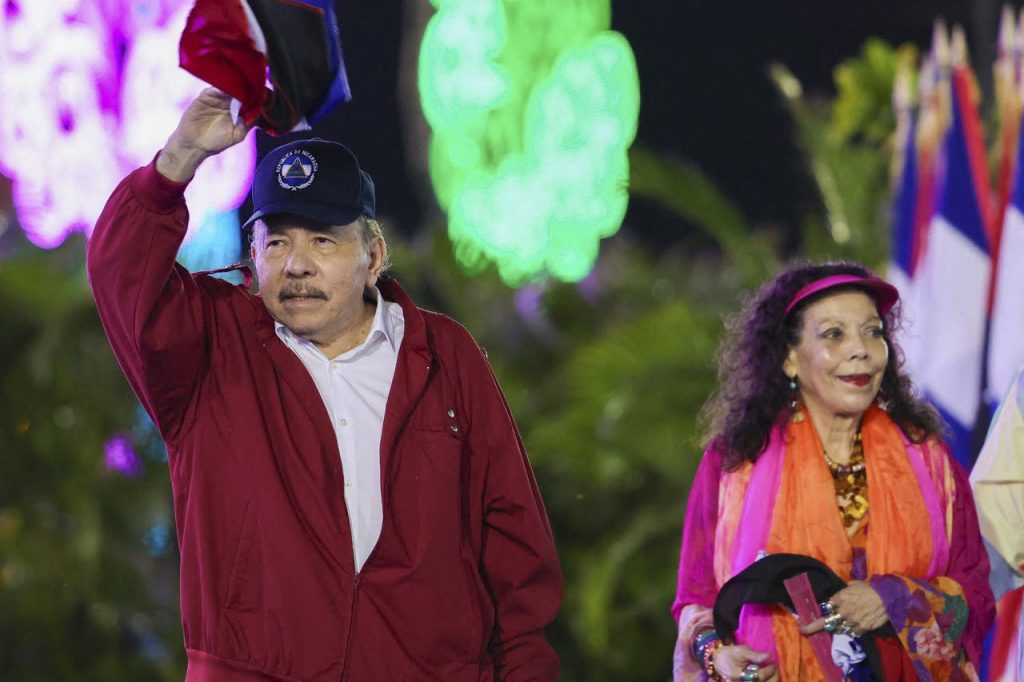
He added that conditions have only deteriorated since then, leaving no room for “organized human activity” outside the control of Daniel Ortega and his wife, Rosario Murillo. Even so, the former ambassador acknowledged that Ortega’s formal announcement abolishing elections was striking.
Sullivan described Ortega, now 80, as a frail aging leader pursuing a political project aimed at perpetuating his rule at all costs.
In his July 19 speech, Ortega effectively shut the door on any prospect of civic change. He declared that opponents seeking to “seize power” would have no place in Nicaragua and said the National Assembly would pass laws to “build a wall, a barrier against coup plotters and traitors.” Lawmakers signaled their readiness to comply.
The former ambassador reiterated that Nicaragua’s elections have been little more than a window dressing for the past 15 years, designed to satisfy what he called a “Western democratic audience.” As repression intensified in 2021, he noted, the regime distanced itself from the United States and Europe while strengthening ties with China. Sullivan also said China’s economic and political influence has expanded dramatically, alongside Russia’s support for Ortega’s surveillance state.
Skepticism About International Pressure
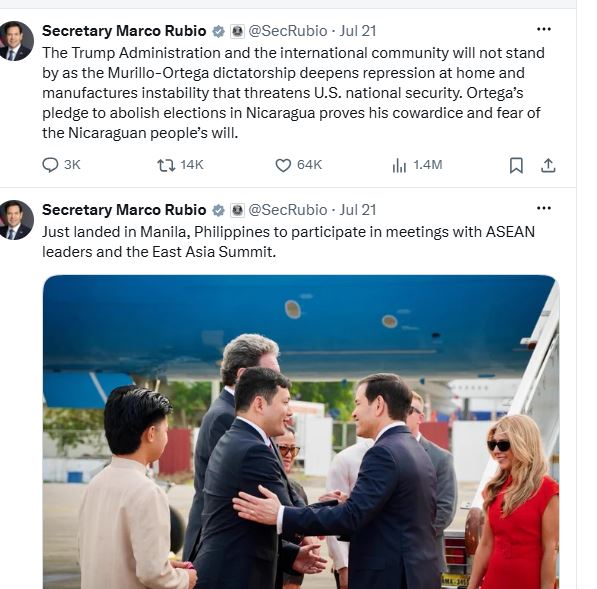
Although U.S. Secretary of State Marco Rubio has urged the international community to join efforts against what Sullivan calls Ortega’s “blatant authoritarianism,” the former ambassador doubts such appeals will have much impact.
“Western governments have less leverage over Ortega than they once did and have largely resigned themselves to keeping their distance. Multiple rounds of sanctions imposed by both the Biden and Trump administrations in recent years have had no effect, and the Trump II team does not appear to have made progress in negotiations with Managua,” Sullivan told Americas Quarterly.
You may be interested: Daniel Ortega Plans to Abolish Nicaragua’s National Assembly and Extend His Rule, Source Says
Hendrix Sees Signs of Weakness
Steven Hendrix, who served as USAID’s director in Nicaragua from 2005 to 2007, told the same publication that he views Ortega’s remarks as “a confession of weakness,” describing a dictator determined to “make Nicaragua a nation smaller than himself.”
“This is a confession of weakness. Governments confident in their grip on power can tolerate even the limited uncertainty inherent in tightly controlled elections. Ortega and Rosario Murillo, apparently, cannot,” Hendrix said.
He concluded that Nicaragua “is no longer governed simply by an aging caudillo, but by a family enterprise seeking permanent rule.”
U.S. Reaffirms Support for Nicaraguans
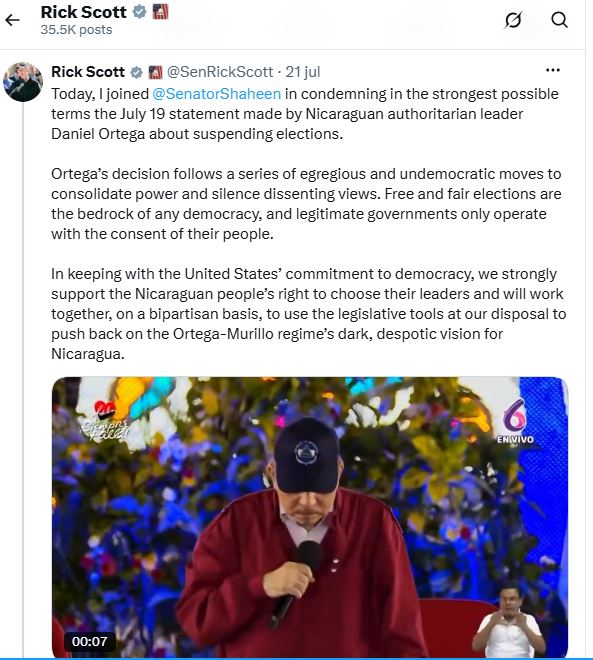
U.S. Deputy Secretary of State Christopher Landau also responded to Ortega’s announcement, reaffirming that the United States “supports the Nicaraguan people and their democratic aspirations.”
Albert Ramdin, secretary general of the Organization of American States (OAS), likewise criticized Ortega, joining a growing chorus of international voices.
Among them was political scientist and legal scholar Daniel Zovatto, who called on the United States, Canada, and the democracies of Latin America and the Caribbean, with support from Europe, to “pursue a coordinated strategy of maximum pressure” against Nicaragua’s regime.
Writing on X, Zovatto argued that the international community should set “a clear deadline” for the regime to reverse measures that have effectively “eliminated” electoral competition, restore fundamental freedoms, respect human rights, and dismantle Nicaragua’s police state.
Calls for Stronger International Action
If the regime refuses to reverse its decision to abolish elections, Zovatto said coordinated political, diplomatic, and financial measures should be activated to pressure the Ortega-Murillo government.
He argued that such measures should be pursued through regional organizations such as the OAS and the Central American Integration System (SICA), as well as financial institutions including the Central American Bank for Economic Integration (CABEI), the Inter-American Development Bank (IDB), the International Monetary Fund (IMF), and the World Bank.
“If the international community allows the despotic Ortega-Murillo regime to consolidate its dictatorship without consequences, the damage will extend far beyond Nicaragua’s borders. It will set a deeply corrosive precedent for democracy not only in Central America but throughout Latin America,” Zovatto warned.
“What is at stake is not only Nicaragua’s political future, but the very credibility of the region’s commitment to democratic principles,” he said.
Read also: How an Iran-Linked Oil Tanker Used a False Nicaraguan Flag to Evade Sanctions