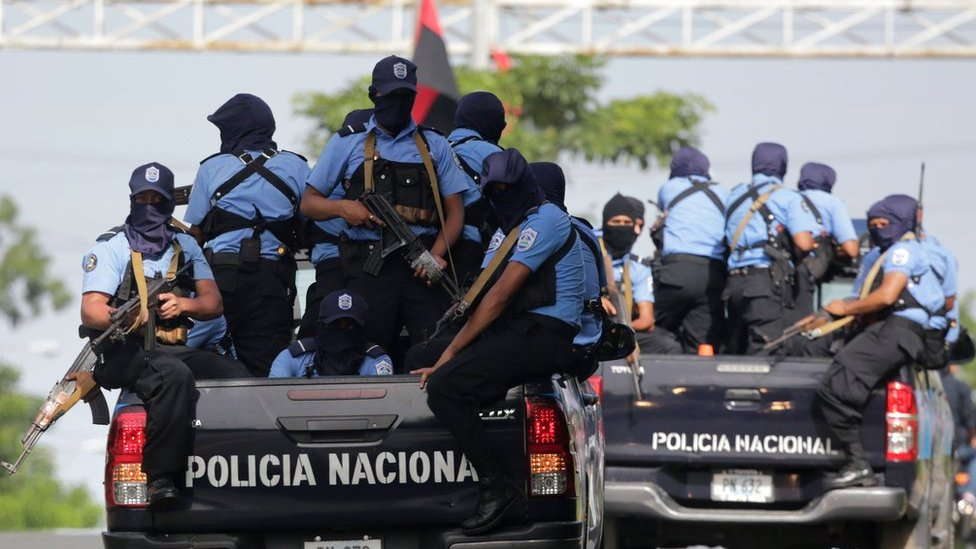
Nicaragua is no longer experiencing the effects of the natural disaster that originally led to its Temporary Protected Status (TPS) designation in 1999—this is the reason cited by the administration of Donald Trump for ending the program. However, experts argue that the country’s current sociopolitical conditions—marked by a dictatorial regime that suppresses dissent and curtails all individual rights—are compelling grounds for extending the immigration benefit.
The termination of TPS sets a 60-day deadline for the 2,935 Nicaraguans currently covered by the program to leave the United States, unless they pursue alternative means to remain. Many of these beneficiaries have lived in the U.S. for at least 25 years.
Among the reasons cited for ending the temporary status, the Department of Homeland Security (DHS) and its Secretary, Kristi Noem, state that “there are notable improvements that allow Nicaragua to adequately manage the return of its nationals.” The DHS also highlights that Nicaragua “has made significant progress in recovering from Hurricane Mitch with the help of the international community, and is now a growing tourism hub, a leader in ecotourism, agriculture, and renewable energy.”
“Nicaragua has become a world-class tourist destination, while also promoting sustainability and revitalizing local communities. Technological innovation is empowering local farmers and fishers, making the agricultural sector more competitive and profitable,” Noem stated in the document announcing the termination of TPS.
Contradictory Policy: A “World-Class Tourist Destination” They Recommend Avoiding
A former diplomat, speaking on condition of anonymity, pointed out the contradiction in the DHS designating Nicaragua as a tourist destination while the State Department warns U.S. citizens to reconsider travel to the country, citing its deepening authoritarianism, which makes it increasingly dangerous for visitors.
According to the official U.S. travel advisory, Nicaragua has been rated at Level 3 out of 4 since last December—an alert urging people to avoid travel due to arbitrary enforcement of laws, the risk of wrongful detention, and limited access to healthcare services.
In a message shared on June 17 via the social media platform X, the U.S. Special Presidential Envoy for Hostage Affairs delivered a clear warning: “The State Department urges U.S. citizens to reconsider travel to Nicaragua. No vacation is worth the price of freedom!”
The warning is part of a broader State Department campaign aimed at alerting U.S. citizens to the risks in countries with records of arbitrary detention, political repression, and lack of legal safeguards—conditions that currently define Nicaragua.
The former Nicaraguan diplomat remarked that “it is contradictory that, while there is a red alert advising American citizens not to travel to Nicaragua due to the risks involved, the country is now being portrayed as a wonderful destination.”
For some opposition figures who have personally suffered the consequences of the dictatorship—such as forced exile—while the original conditions that led to the TPS designation may no longer exist, new ones have emerged that, in their view, equally warrant a less stringent U.S. immigration policy.
No War, but “There Is a Fierce Dictatorship”
Francisco Aguirre Sacasa, a former political prisoner and exile under the Ortega-Murillo dictatorship, described the decision to end TPS for Nicaragua as regrettable. Aguirre served as Nicaragua’s ambassador to the United States from 1997 to 2002 and, during that time, lobbied for the approval of NACARA and TPS.
Aguirre acknowledged that since the 1990s, “conditions in Nicaragua have obviously changed, particularly during the administrations of Enrique Bolaños (2002–2007) and the earlier term of Arnoldo Alemán (1997–2002), when the war-related conditions had completely ended.”
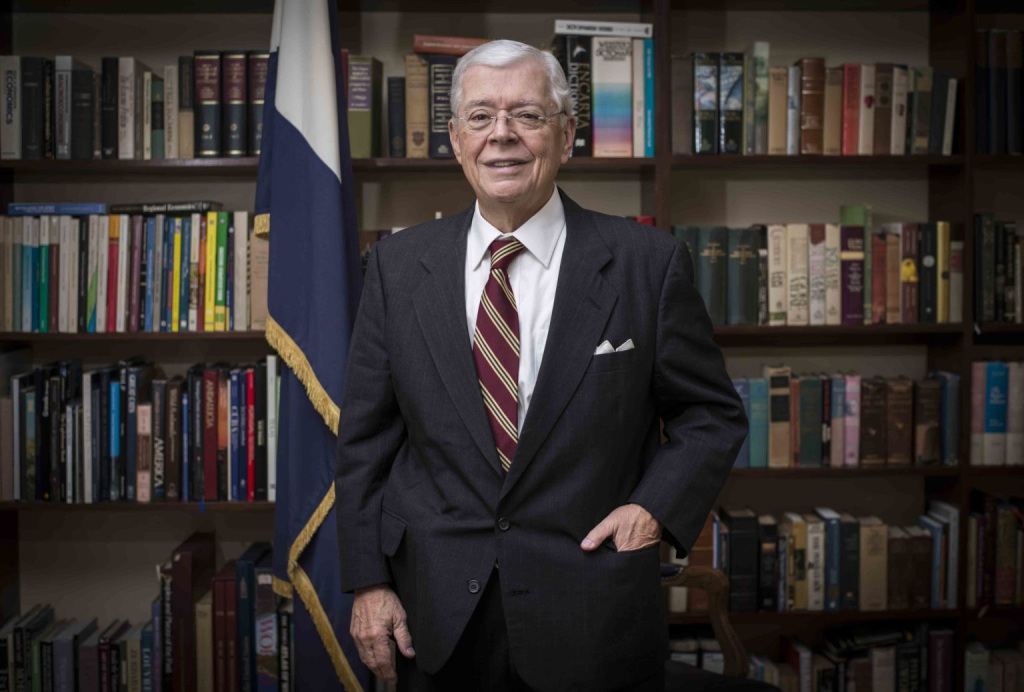
However, Aguirre, who also served as foreign minister, noted that “there are still uncomfortable and difficult conditions in Nicaragua for many Nicaraguans.”
“There is a fierce dictatorship under Daniel Ortega and Rosario Murillo. Nicaragua is a hostile country—at the very least, its government is hostile toward Americans. In that sense, I find it curious that Trump would include Nicaragua among the countries deemed suitable for the repatriation of their nationals,” he remarked.
The former foreign minister also acknowledged that while the damage caused by Hurricane Mitch has been repaired, “there remains a very serious impediment to democratic governance in Nicaragua.”
“At the time TPS was approved, Nicaragua was a democracy and remained so for many years. But now, what it has is a dictatorship—not just any dictatorship, but one that is hostile to the United States, that never misses an opportunity to criticize the U.S. government, and that is aligned with countries such as Iran, the People’s Republic of China, and Russia, which are not allies of the United States,” he added.
Is There a Negotiation Regarding Deportees?
Recent and unusual statements issued by the regime of Daniel Ortega and Rosario Murillo have also raised suspicions. The most recent, signed by Ortega and Murillo, was a message of condolences for the flooding in Travis County, Texas, which has resulted in at least one hundred fatalities.
The dictatorship expressed its “deepest condolences” to the American people, as well as to the affected families and the “authorities who are working to assist them.”
Additionally, on July 4, Foreign Minister Valdrack Jaentschke issued another statement “to the people of the United States of America” on the occasion of Independence Day, expressing a “desire to build a better world together.”
On the other hand, among the reasons for ending TPS, Secretary of Homeland Security Kristi Noem stated that Nicaragua “has been regularly accepting the return of its nationals with final removal orders over the past five years.”
Secretary Noem explains that “Nicaragua’s recent capacity to accept the return of its nationals has been and continues to be at least ‘adequate.’”
Behind this, according to some experts who prefer to remain anonymous, there may be a possible negotiation between Ortega and the Trump Administration. During former President Joe Biden’s administration, Nicaragua was listed among the countries refusing to accept deported citizens.
The Administration Is Focused on Expelling Immigrants at Any Cost
For other critics, such as Nicaraguan immigrant rights activist Damaris Rostrán, who resides in the U.S., negotiations between Trump and the Sandinista regime are not necessary. According to Rostrán, what is really happening is that Trump’s decisions are focused on enforcing immigration policies aimed at expelling the highest possible number of immigrants from the country.
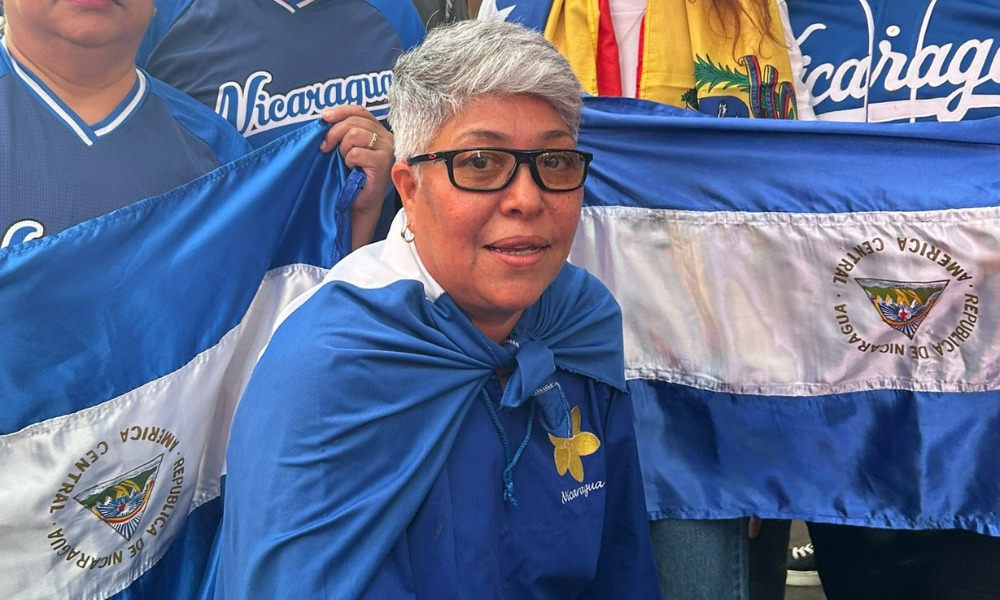
“For President Trump, migration is his flagship issue; it is politically profitable. The millions of voters who support President Trump believe that immigrants are taking their jobs and that we are criminals—this is the narrative the President has promoted and maintained throughout his two terms,” the political scientist stated.