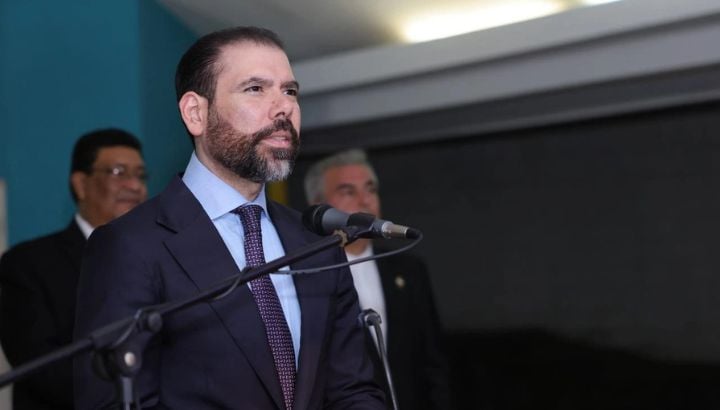
Two sons of Nicaraguan rulers Daniel Ortega and Rosario Murillo, Laureano and Daniel Edmundo Ortega Murillo, are in St. Petersburg, Russia, reaffirming their alliance with Russian President Vladimir Putin. Both are participating in an economic forum that began two days before a U.S. congressional hearing titled Confronting the Ortega-Murillo Totalitarian Regime was scheduled to take place. The hearing in Washington was postponed at the last minute on Thursday.
The regime’s delegation in Russia is headed by Laureano Ortega Murillo, who serves as the government’s liaison to Russia, China, and Iran. Daniel Edmundo, meanwhile, traveled to sign agreements aimed at strengthening the dictatorship’s propaganda apparatus.
“For us, this relationship and these meetings with the Russian Federation and other international gatherings are privileged and a priority,” Rosario Murillo said during her midday address announcing her sons’ activities at the Russian forum. “We stand with the Russian Federation in supporting all its initiatives and struggles for a world free from hatred, from those crimes of hatred and crimes against humanity, beyond the fascism they seek to impose on us.”
Read also: U.S. Announces «Zero Tolerance» Policy Toward Ortega-Murillo Regime Over Russia and China Relations
Laureano Ortega Murillo, the regime’s investment adviser, has been under U.S. sanctions since April 2019. Daniel Edmundo and his brother Maurice were sanctioned two months ago. According to a recent U.S. Treasury Department statement, the dictatorship has transformed the Nicaraguan state into a family instrument and further consolidated power in the hands of the ruling couple.
Security and Defense Cooperation
Speaking to the state-backed network RT, Laureano Ortega Murillo said Nicaragua and Russia would continue “strengthening areas of cooperation in security and defense.” His remarks appeared to challenge Washington.
The postponed U.S. House of Representatives hearing, originally scheduled for Friday, June 5, under the title How to Confront the Ortega-Murillo Totalitarian Regime, was expected to feature Republican Representative María Elvira Salazar and Democratic Representative Joaquín Castro.
As previously reported by La Prensa, Ana Rosa Quintana-Lovett, Deputy Assistant Secretary of State for Central America, was set to testify before Congress. According to a transcript of her remarks obtained by the newspaper, the United States is pursuing a foreign policy of “zero tolerance” toward governments it considers anti-American and among the “rogue actors of the Western Hemisphere,” including Nicaragua.
In that context, Washington has pledged to counter what it calls the “malign influence of extra-hemispheric powers,” specifically Russia and China, as part of its national security strategy.
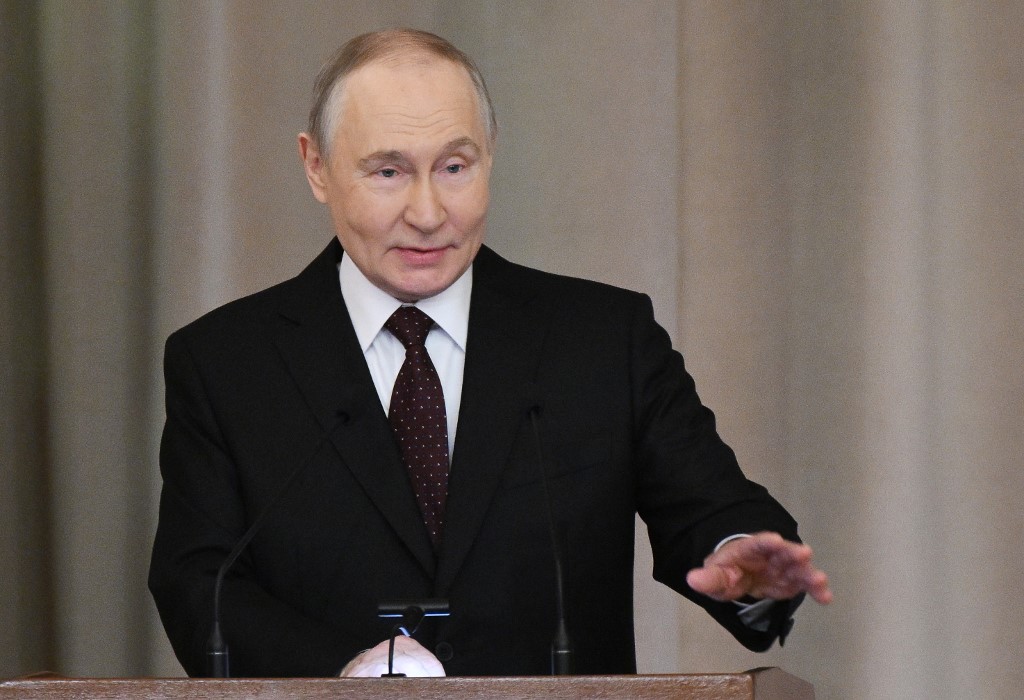
Seemingly brushing aside those concerns and the U.S. foreign policy approach known as the “Donroe Doctrine,” Laureano Ortega Murillo reaffirmed Nicaragua’s “brotherhood with Russia,” saying bilateral cooperation is expanding across all sectors. The Nicaraguan delegation is participating in the St. Petersburg International Economic Forum, held from June 3 to 6, 2026.
The dictator’s son argued that Russia offers countries of the Global South a new “paradigm of cooperation” based on mutual respect, non-interference, the absence of political conditions, and shared benefits. Critics note, however, that the Ortega-Murillo regime often invokes sovereignty when accused of human rights abuses while maintaining close ties with Russia, China, and Iran.
Regional Concerns Over Russian Ties
Nicaragua’s growing alliance with Moscow has raised concerns in Central America.
Costa Rica’s new foreign minister, Manuel Tovar, expressed concern about the “significant presence of Russian military personnel” in Nicaragua during an interview with AFP in Paris discussing his administration’s priorities.
Tovar became foreign minister in early May under Costa Rican President Laura Fernández, who pledged a hard-line approach against drug trafficking upon taking office.
Although separated from Ukraine by an ocean, Costa Rica—which supports Kyiv and has joined efforts to establish a special tribunal to prosecute Russia’s invasion—views developments on its northern border with increasing concern.
You may be interested: These Are the Eight Political Prisoners Who Died in the Custody of the Ortega-Murillo Dictatorship
“In Nicaragua, there is a significant presence of Russian military personnel. They recently renewed a military cooperation agreement with Moscow, and it seems to me that those troops are very far from where they should be,” Tovar said.
“That is a factor that worries us, particularly given the war in the heart of Europe caused by Russia in Ukraine. We are not comfortable with it,” he added.
Nicaragua is Russia’s principal ally in Central America. In 2008, Managua recognized the Moscow-backed independence of Georgia’s separatist regions of Abkhazia and South Ossetia, and later recognized Russia’s annexation of Crimea in 2014.
According to Laureano Ortega Murillo’s statements to RT, the visit to Russia includes agreements to strengthen security and defense cooperation, review bilateral initiatives, and expand collaboration in trade, investment, banking, and media exchanges.
He described cooperation with Russia as “permanent and dynamic.” In the health sector, he said Nicaragua is working to participate in clinical trials for Russian-developed vaccines against dengue fever and cancer. Similar medical cooperation promises have been made in the past, though some have been questioned by observers.
Regime Seeking Shelter Under Its Last Remaining Umbrella
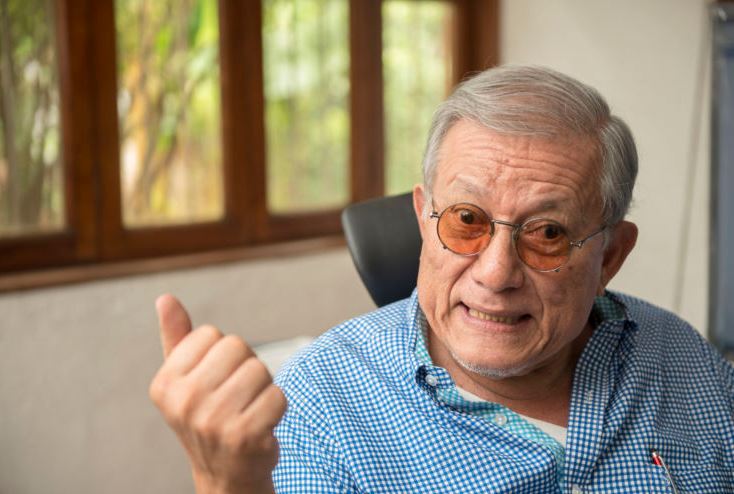
Political analyst and sociologist Óscar René Vargas argued that the presence of the dictators’ sons in Russia is “not a provocation” toward the United States but rather an effort to “tie themselves to the only umbrella they have left” amid growing international isolation.
Vargas was referring to the geopolitical context following Nicolás Maduro’s fall in Venezuela and the increasingly difficult situation facing Cuba’s government under pressure from the administration of Donald Trump.
“Why is it not a provocation? Because it is the only way they have left to maintain some international breathing room,” Vargas said. “Political costs do not matter as long as they believe they can count on Russia’s support.”
Read also: Alliance Iran-Nicaragua Expands Ortega’s Anti-U.S. Geopolitical Strategy
The analyst sees the Nicaraguan delegation’s participation in the St. Petersburg forum primarily as an attempt to “remain visible to the Russians,” but says it does not significantly enhance the regime’s survival prospects. According to Vargas, the dictatorship is already approaching “hour zero,” and its downfall grows closer each day. He argued that the government will eventually need to make concessions to survive or retain a share of power.
A former Nicaraguan Foreign Ministry official, speaking on condition of anonymity, agreed that the regime’s participation in the St. Petersburg forum is “not a challenge” to the United States. Instead, he described it as a strategic decision aimed at ensuring the Ortega-Murillo family is better positioned should tensions with Washington escalate to levels currently experienced by Cuba.
(This version is edited for a professional newspaper or wire-service style, rather than a literal translation, by using ChatGPT)