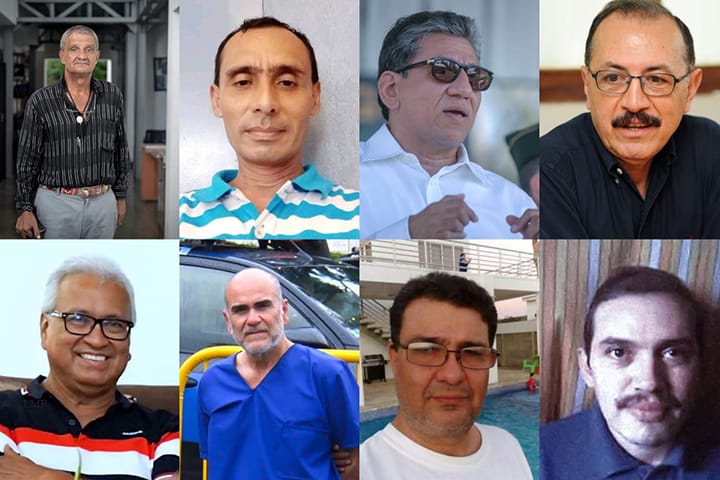
Over the past eight years of sociopolitical crisis, the dictatorship of Daniel Ortega and Rosario Murillo has imprisoned thousands of Nicaraguans for political reasons following the 2018 protests. To date, the regime bears responsibility for at least eight deaths of prisoners of conscience who either died in custody or succumbed to critical health conditions only months after being released.
On May 31, the human rights organization Nicaragua Nunca Más Human Rights Collective denounced through its social media channels the eight deaths that have occurred under the custody of the Ortega regime since 2019. Speaking to LA PRENSA, human rights defenders explained that the list includes the most recent case, Indigenous leader Brooklyn Rivera, as well as Carlos Cárdenas Zepeda and Mauricio Alonso Petri, who died in August 2025, and Humberto Ortega Saavedra—brother of dictator Daniel Ortega—who died in September 2024.
The list also includes retired General Hugo Torres Jiménez, who died in February 2022; Santos Sebastián Flores Castillo, who died in November 2021; Eddy Montes Praslín, who was killed in May 2019; and another case from 2026 that remains anonymous.
Read also: Nicaragua Emerges as Iran’s Key Foothold in the Western Hemisphere
LA PRENSA also includes José Modesto Solís Aguilar among the prisoners of conscience who died as a result of state custody. He passed away just three months after prison authorities transported him home in critical condition, according to allegations made by the United Group of Kidnapped Political Prisoners.
Below is the list of prisoners of conscience who died at the hands of the Ortega-Murillo dictatorship.
Brooklyn Rivera
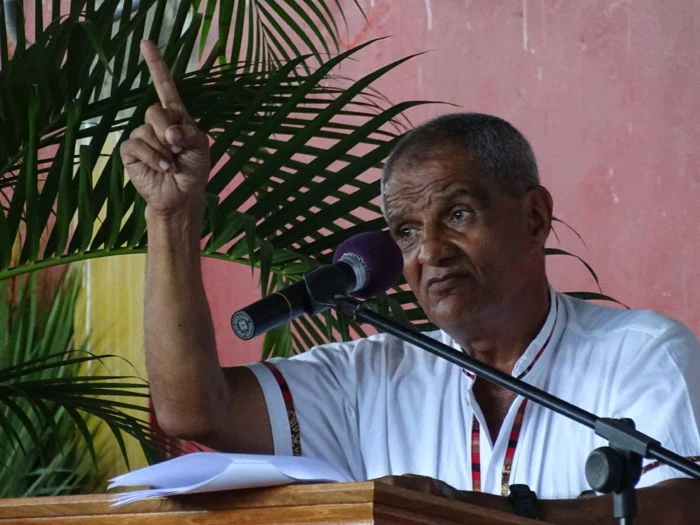
Indigenous leader Brooklyn Rivera Bryan died on May 30, 2026, at the age of 73. According to Nicaragua’s Ministry of Health (MINSA), the cause of death was “a bacterial infection generated by the COVID-19 virus.” His case is the most recent example of a prisoner of conscience dying while under the custody of the Ortega-Murillo regime.
Rivera was arrested in September 2023 and was subsequently subjected to enforced disappearance. His whereabouts remained unknown until May 27, just three days before news of his death emerged.
A prominent Indigenous leader and one of the founders of the YATAMA party, Rivera was finally shown publicly after mounting pressure from his family and the international community demanding proof that he was alive.
By the time the regime revealed his condition, Rivera was barely recognizable. He was in critical condition, bedridden at Fernando Vélez Paiz Hospital in Managua, where he had been hospitalized since March 7. He was connected to invasive mechanical ventilation and, according to MINSA, suffered from multiple organ failure, cirrhosis of the liver, and an active lung infection.
Carlos Cárdenas and Mauricio Petri
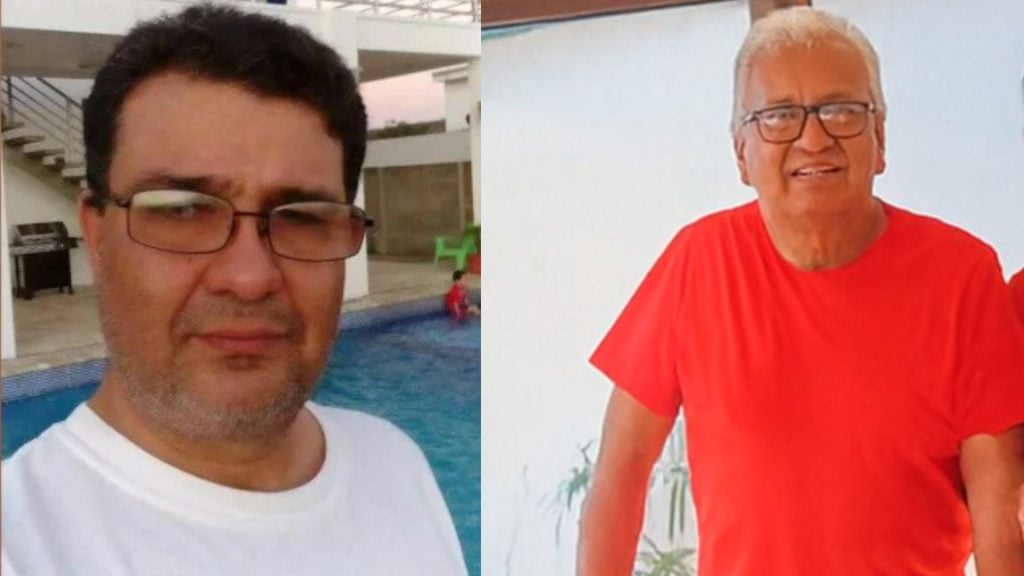
Ten months before Rivera’s death, two other prisoners of conscience died in the custody of the Ortega-Murillo dictatorship. Political prisoner Carlos Cárdenas Zepeda died on August 29, 2025, while Mauricio Alonso Petri died four days earlier.
In September 2025, the Inter-American Commission on Human Rights (IACHR) condemned the deaths of Mauricio Alonso Petri and Carlos Cárdenas Zepeda, describing them as older adults who had been “arbitrarily detained for being identified as opponents of the regime in Nicaragua.”
Carlos Cárdenas Zepeda, a 68-year-old attorney who had been targeted for serving as legal adviser to the Nicaraguan Episcopal Conference during the 2018 National Dialogue, and Mauricio Alonso Petri, a 64-year-old former president of the opposition Sandinista Renovation Movement (MRS), were both arrested on July 18, 2025, and held in enforced disappearance.
The IACHR noted that family members had repeatedly reported not knowing the men’s whereabouts or health conditions and only learned of their deaths when their bodies were handed over.
Relatives were reportedly never informed of the causes of death and were subjected to intimidation and threats intended to prevent funeral services consistent with their beliefs, forcing them to bury the deceased immediately.
You may be interested: Alliance Iran-Nicaragua Expands Ortega’s Anti-U.S. Geopolitical Strategy
José Modesto Solís
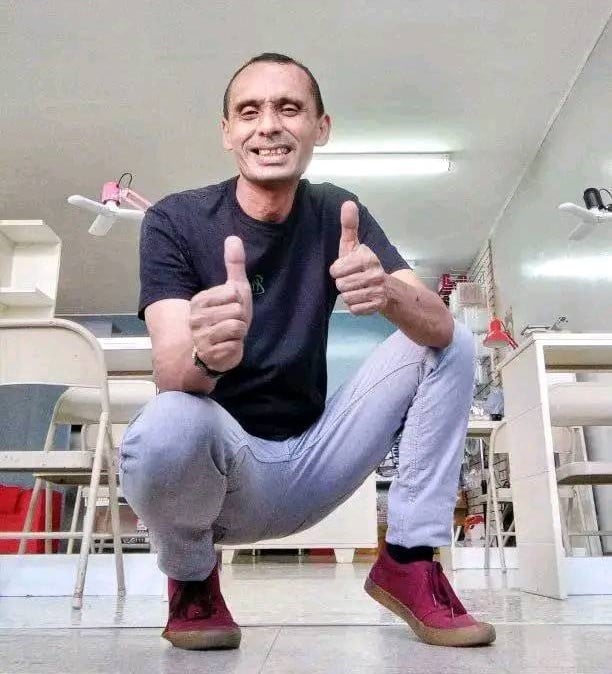
Political prisoner José Modesto Solís Aguilar died on December 21, 2023, at the age of 54 in his home in Managua’s Altagracia neighborhood, just three months after being released from the Tipitapa Penitentiary System, commonly known as La Modelo.
Following his death, fellow political prisoners and the United Group of Kidnapped Political Prisoners stated that Solís had been released on September 16, 2023, only so that he would not die inside prison.
They argued that although he did not die behind bars, his death was a direct consequence of imprisonment, severe health conditions worsened by detention, lack of medical care, and authorities’ disregard for repeated warnings from fellow inmates who witnessed his deteriorating condition.
According to LA PRENSA, prison officials transported Solís home in a police vehicle. Authorities allegedly spent about an hour speaking with relatives and warned them not to speak publicly or risk his rearrest. He arrived in critical condition, extremely weak and unable to stand on his own, while his family feared taking him to a public hospital lest he be denied treatment.
Humberto Ortega Saavedra
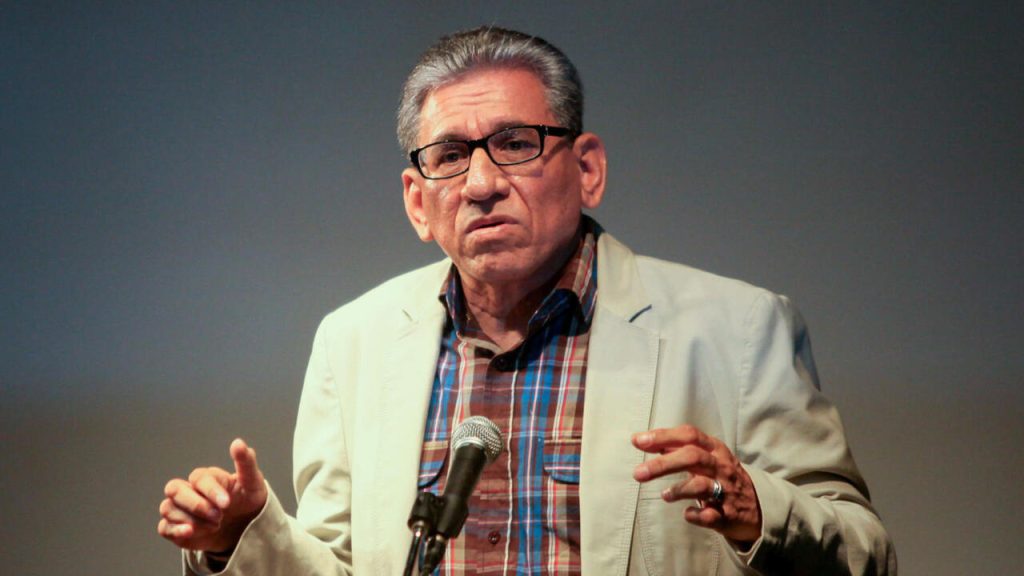
Another political prisoner whose death is attributed to the Sandinista regime was retired General Humberto Ortega Saavedra, brother of Daniel Ortega. He died on September 30, 2024, at age 77.
Four months earlier, in an interview with Infobae, he sharply criticized his brother’s government and claimed there were plans to assassinate him. Those remarks marked a turning point that ultimately cost him his freedom.
On the night of May 19, 2024, police agents surrounded his residence and confiscated his communication devices. The following day, the National Police issued a statement confirming he was receiving medical care, though it did not acknowledge that he was in custody or explain why it was providing information about a private citizen’s health.
A week later, Daniel Ortega publicly attacked his brother, labeling him a “traitor to the homeland,” a term frequently used by the regime to discredit political opponents. During a nationally televised speech, Ortega criticized him for several actions, including presenting the Camilo Ortega Medal to a U.S. military delegate during the 1990s.
The regime remained silent for months regarding Humberto Ortega’s whereabouts and condition. It was not until September 29, 2024, that Dr. Alejandro Dávila Bolaños Military Hospital in Managua issued an unusual statement reporting that the former army chief was gravely ill.
The following morning, military doctors confirmed that Humberto Ortega had died at approximately 2:30 a.m. from cardiorespiratory arrest.
Hugo Torres Jiménez
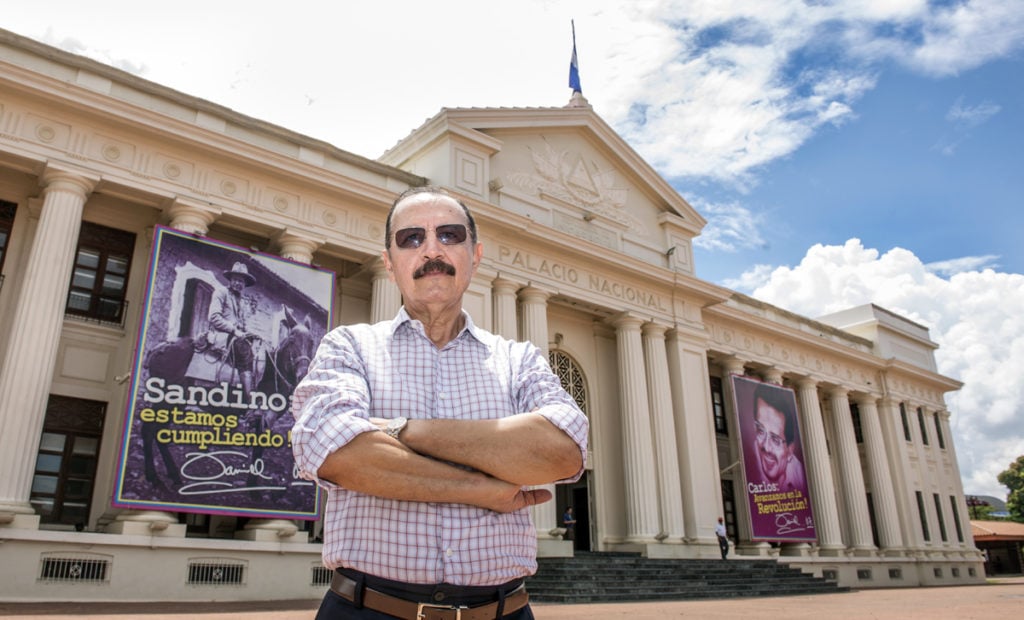
Retired General Hugo Torres Jiménez died in the early hours of February 12, 2022, at age 73 while in the custody of the Sandinista regime.
His death came 244 days after his arrest as part of a crackdown that resulted in the detention of 37 political prisoners between May and November 2021.
The news was confirmed by the Democratic Renovation Union (UNAMOS), formerly the Sandinista Renovation Movement, where he served as vice president.
The Public Prosecutor’s Office stated that Torres died “as a result of illness” and maintained that he had been transferred to a hospital once his health deteriorated, effectively denying state responsibility.
Before his arrest, Torres recorded a video later released by UNAMOS in which he declared:
“I am 73 years old. I never thought that at this stage of my life I would be fighting peacefully and civically against a new dictatorship.”
His children later announced that, in accordance with his wishes, there would be no public funeral ceremonies and asked for privacy.
Read also: Ortega Regime Returns Seized Gold Plant to U.S. Mining Firm BHMB After $80 Million Lawsuit
Santos Sebastián Flores Castillo
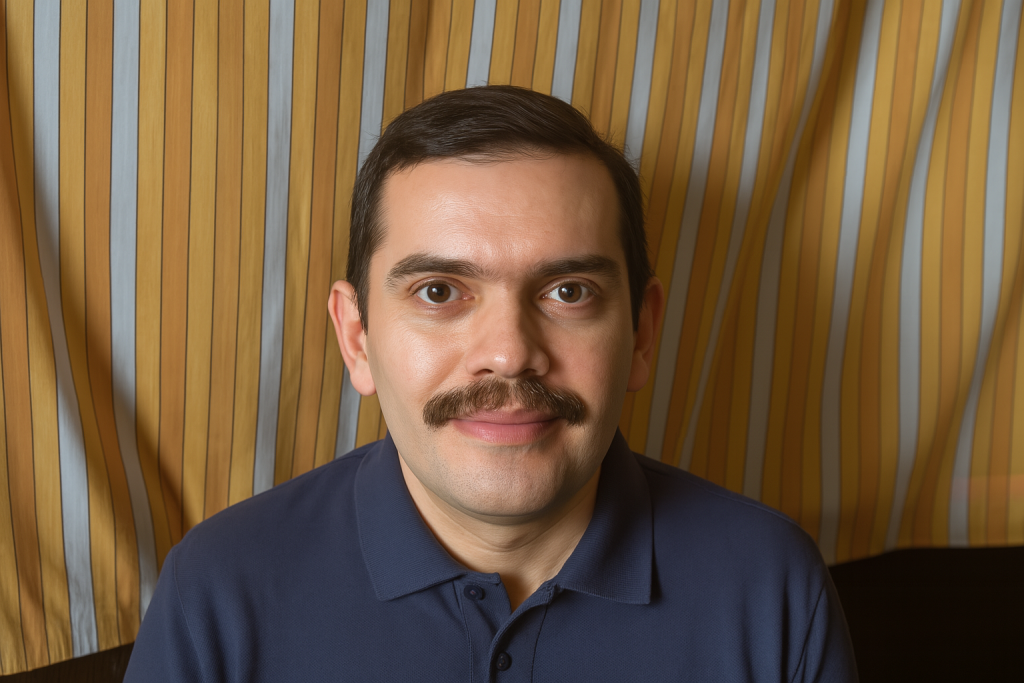
Another prisoner who died behind bars was Santos Sebastián Flores Castillo, who accused Daniel Ortega of having sexually abused his 15-year-old sister.
Flores Castillo had been imprisoned since June 17, 2013. He was convicted of aggravated sexual assault, though the Nicaraguan Center for Human Rights (CENIDH) maintained that the prosecution was politically motivated.
The alleged offense involved a Judicial Branch employee with whom he had previously had a romantic relationship. He was sentenced to 15 years in prison in proceedings reportedly expedited by Ortega’s direct orders, during which he was denied private legal representation. Some of his property was also confiscated.
His legal troubles began after he reported to CENIDH and the Permanent Commission on Human Rights (CPDH) that Daniel Ortega had initiated a relationship in 2005 with his sister Elvia Flores, who was then 15 years old. A daughter was born from that relationship in 2011.
During his eight years at La Modelo prison, Flores Castillo was subjected to inhumane conditions and physical and psychological torture, according to repeated complaints by human rights organizations. He also reportedly never received adequate medical care.
Eddy Montes Praslín
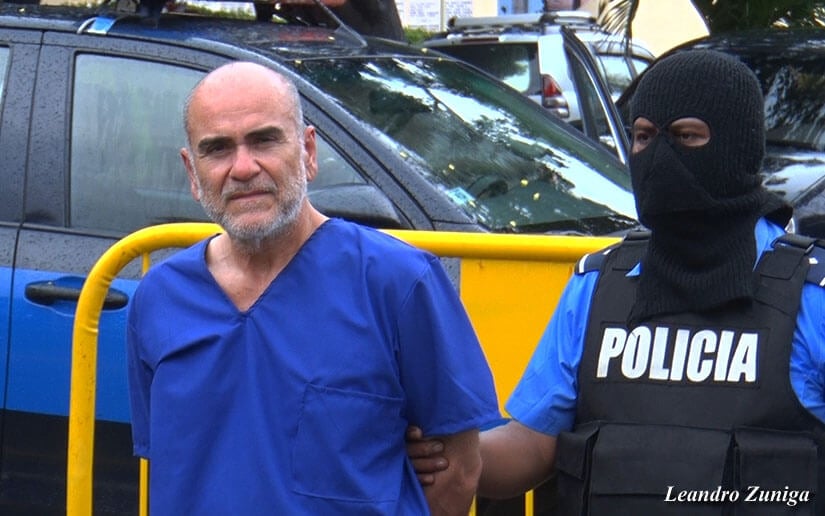
Eddy Montes Praslín, 57, was another political prisoner who died in the custody of the dictatorship. Unlike other cases, his death was a killing. He was a U.S. citizen.
On May 16, 2019, a prison guard allegedly shot him with an AK-47 rifle inside La Modelo prison, according to testimony from fellow inmates. Seven years later, the crime remains unpunished.
Earlier in 2018, Montes had graduated as a lawyer from the University of the North of Matagalpa. He never had the opportunity to practice law due to the outbreak of the sociopolitical crisis, after which he joined protests against the Ortega government.
He was arrested in October 2018 and charged with terrorism, aggravated robbery, obstruction of public services, and arson.
At approximately 3:00 p.m. on May 16, Montes was playing chess when he intervened to defend a group of political prisoners who were being assaulted by prison guards. One guard, nicknamed “Mayorga” because of his resemblance to boxer Ricardo Mayorga, reportedly insulted inmates who had occupied prison galleries for two months and pointed an AK-47 at them.
Amid the confrontation, a shot from the rifle struck Montes. Prison authorities transported him to Yolanda Mayorga Hospital in Tipitapa, but he did not survive. He died shortly before 4:00 p.m. from the gunshot wound.
At the time, the Ministry of the Interior claimed Montes died during a prison riot, alleging that he had attempted to attack a guard with a sharp object and that the weapon discharged during a struggle. Witnesses, however, disputed that account.
This version preserves the tone, structure, and attribution style typical of an English-language newspaper or human-rights report.