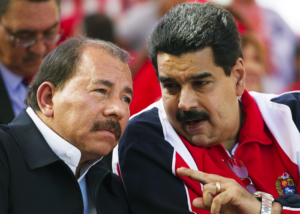
During their recent presidential electoral periods, the authoritarian regimes of Venezuela and Nicaragua have used the abduction of opposition figures as acts of intimidation, aiming to neutralize any political force opposing them.
On the night of December 6th, the Venezuelan dictatorship detained three members of opposition leader and presidential candidate María Corina Machado’s team. The elections in the South American country are scheduled for 2024.
Roberto Abdul-Hadi, president of the organization Súmate, was among those abducted, along with three other opposition members who were issued arrest warrants and accused of ‘conspiracy, treason to the homeland, money laundering, and association to commit crimes’.
These alleged crimes align almost entirely with those for which the dictatorship in Nicaragua charged opposition leaders and subsequently incarcerated them in mid-2021.
According to the Attorney General of Venezuela, the three aides of Machado were allegedly involved in ‘economic relations’ with a U.S. citizen who had already been detained in Venezuela for his supposed involvement in a ‘conspiracy’ against the referendum on Sunday regarding the Essequibo, a disputed territory of nearly 160,000 square kilometers with Guyana.
According to Nicaraguan opposition figure Juan Diego Barberena, «the imprisonment of opposition figures by the regimes of both Daniel Ortega and Nicolás Maduro aims to de facto interdict political contenders. It means judicializing politics, removing political competition, criminalizing it, and ultimately ensuring control over political power, thus rendering electoral processes devoid of any meaningful competition.»
Similar accusations
«These are elections where votes are cast, but there’s no actual choice because there aren’t contenders with different proposals for voters to choose from. These are elections with a single option. This is what happens in Cuba and effectively in Venezuela and Nicaragua, in violation of the provisions stated in the Constitutions of these latter two countries,» Barberena added.
In 2021, the Nicaraguan regime imprisoned seven presidential candidates who, according to independent polls, enjoyed greater popularity than Daniel Ortega, who has been in power for over 15 consecutive years, maintaining the country under a totalitarian dictatorship.
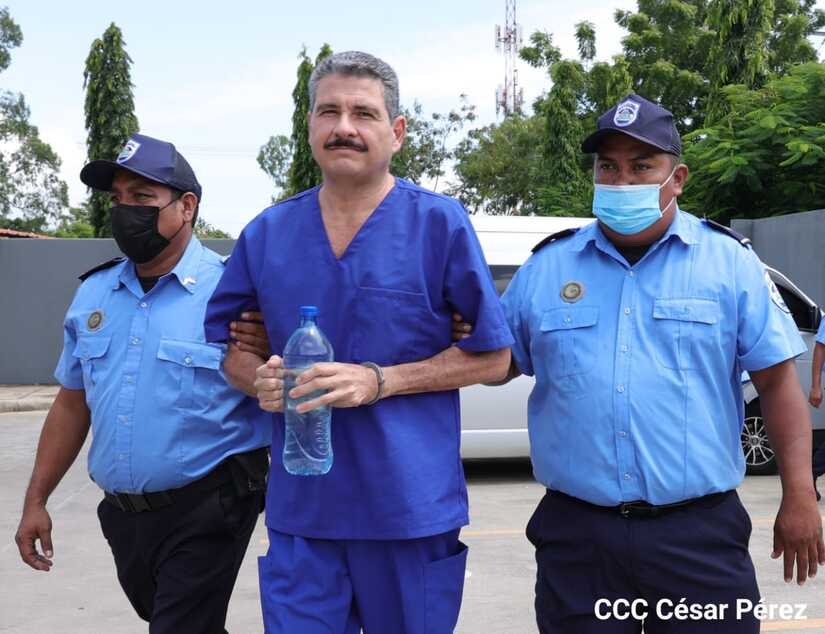
All the presidential hopefuls in Nicaragua faced accusations of undermining national integrity, money laundering, incitement to hatred, and other charges attributed by the Ortega-Murillo regime. On February 9, 2023, the former presidential aspirants were sent into exile along with 215 other political prisoners, stripped of their Nicaraguan nationality.
Both sources consulted by LA PRENSA agree that dictatorships criminalize the right to choose.
«It’s a strategy that has been outlined in some Latin American countries, where these regimes implement policies of judicial warfare against political contenders, aiming to seize, maintain, and perpetuate their power,» stated Barberena.
The former ambassador explained that Nicaragua and Venezuela «constitutionally are two democratic republics,» but in practice, «there’s no separation of powers, no alternation in power, no competitive elections, no pluralism, no political parties, or they exist in the shadows, repressed and highly limited in their ability to act. There’s no freedom of the press or association, and there’s no freedom of movement,» he emphasized.