One of the primary challenges every migrant faces is regularizing their legal status or immigration condition in the country where they have established temporary residence. Compounding this are the inherent difficulties of adapting to a new cultural reality and navigating bureaucratic procedures that, more often than not, prove tedious and frustrating.
This situation grows even more complex when the country we fled fails to provide the necessary conditions to achieve adequate human development abroad.
“El Colectivo Nicaragua Nunca Más” (Nicaragua Nunca Más Human Rights Collective) reports that more than 838,000 Nicaraguan citizens are living in exile due to the sociopolitical crisis and persecution gripping the country under the Sandinista co-dictatorship of Daniel Ortega and Rosario Murillo. The countries that have received the highest numbers of migrants are the United States, Costa Rica, and Spain, among others.
We fled Nicaragua neither for pleasure nor to explore new horizons. We made this decision because we had no alternative but to leave a country where democracy, the rule of law, and public and religious freedoms are entirely disregarded. A nation ruled by a despotic and authoritarian regime demands that its citizens submit to its repressive will; those who refuse to bow their heads are forced to flee.
Whether due to forced exile or expulsion, the humanitarian conditions we endure abroad are chaotic. This reality becomes even harsher when the immigration policies of host countries constantly remind us that we do not belong there either. Nevertheless, international law and domestic legislation protect us: Article 14 of the Universal Declaration of Human Rights states: «in the event of persecution, every person has the right to seek asylum, and to enjoy it, in any country».
If we choose to return to the land of our birth, we face imprisonment, surveillance, harassment, and various forms of abuse —situations that also impact our families— reminding us that back home, in our own country, we are not wanted.
The situation is compounded by being forced to endure a second exile, accompanied by the lingering uncertainty that even there —in another country not our own— we will be reminded almost permanently that we do not belong there either.
Conditions deteriorate not only due to the actions of public institutions tasked with enforcing immigration laws, but also because of the transnational persecution we suffer, which various international bodies have repeatedly condemned. To a large extent, this persecution is carried out by fellow Nicaraguans who have also endured exile, commonly referred to as the «opponents of the opposition». They persistently remind us that we do not belong here, and that they do want to see us back there, in Nicaragua, imprisoned and tortured by the Sandinista dictatorship they claim to oppose, even as they refrain from fighting it and instead applaud when it harms its own citizens.
So, where is a safe haven where we can remain without being vilified? Are we condemned to live as nomads until the Sandinista dictatorship falls? Are we truly given a choice between living in a country where we are unwelcome or remaining in a land to which we feel we no longer belong?
These questions are not easily answered. We must persist and resist, confident that time will ultimately place everyone where they belong. Until that happens, it is vital to respect the laws of the country that has welcomed us and to understand that for now, we belong here —even if we do not truly fit in— because we are not wanted back there either.
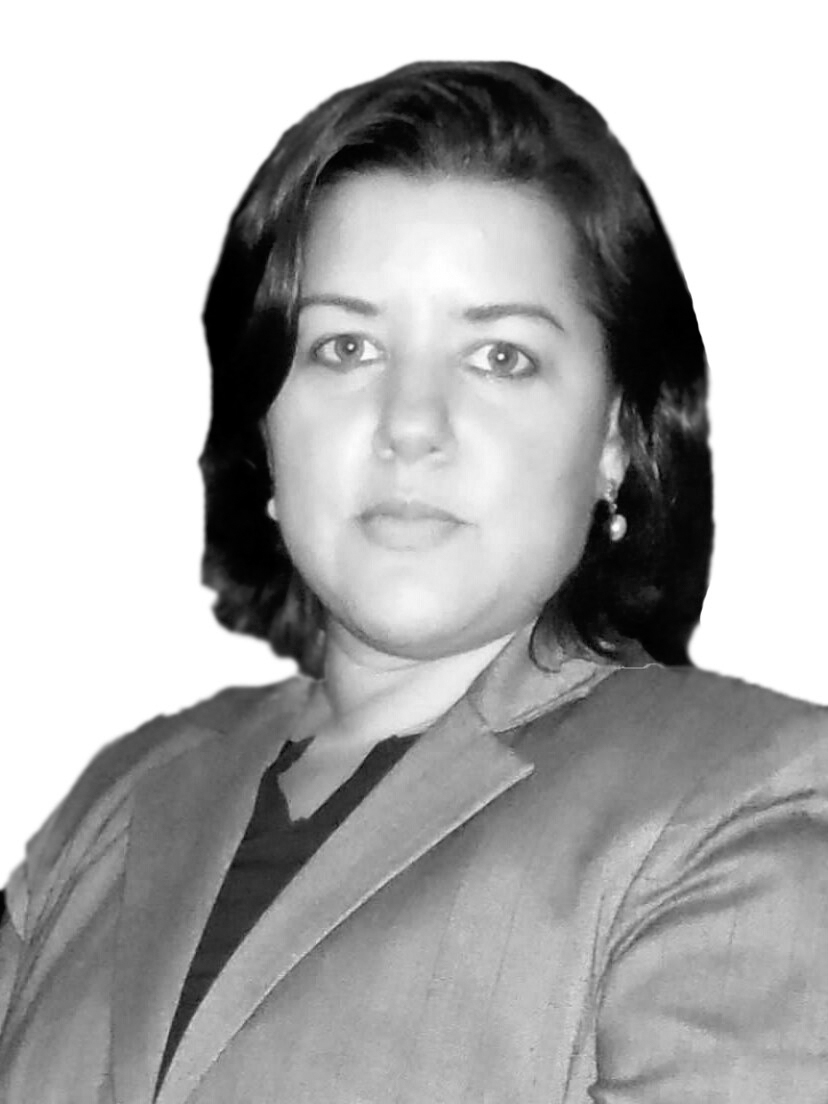
The author is a Human Rights lawyer.
[email protected]
www.iglesiaperseguidani.com