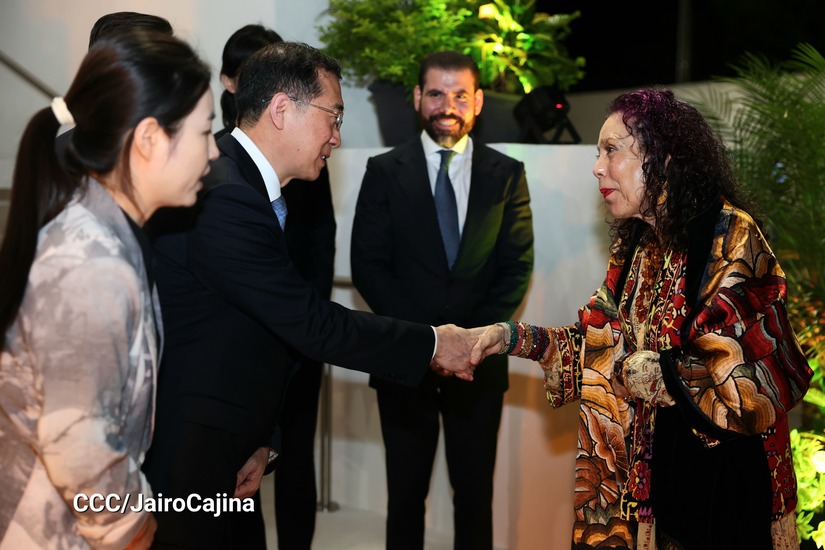
Dictator Rosario Murillo is preparing for the retirement of her husband and co-dictator 80-year-old Daniel Ortega, and is increasingly elevating their son, Laureano, whom she views as her potential «successor after her,» according to political scientist Gil Guerra, a researcher at the U.S.-based Hudson Institute.
Guerra is one of four experts who testified before the U.S. House Subcommittee on the Western Hemisphere on September 30 to outline the regime’s current standing and its alliances with China and Russia, a focus of heightened scrutiny under the Trump administration.
«Rosario Murillo above all seeks to position herself… her intention is, over time, to rule on her own, perhaps with Laureano as her successor after her,» Guerra added.
The expert conducted a discourse analysis of the self-styled «co-president’s» public speeches between August 2015 and September 2026. The prominent role played by her son, who serves as the presidential advisor for investment, is noteworthy. Guerra is a researcher who specializes in U.S. strategy in the Western Hemisphere, focusing on political, economic, and security dynamics in Latin America.
The researcher works with the institute, founded in 1961, whose mission is to promote American leadership. The think tank conducts research across various fields, including security, artificial intelligence, and China—as well as regional issues like Nicaragua, which has drawn renewed concern following Ortega’s announcement in July ending competitive elections.
«As Daniel Ortega ages and participates in fewer public events, it is natural for his media presence to diminish. But I believe Murillo is also beginning to prepare the public for his eventual withdrawal from public life, in whatever form that takes,» Guerra told LA PRENSA.
Murillo and Ortega form Latin America’s only ruling dictatorial couple. The 75-year-old Murillo controls a family dictatorship in which their children and daughters-in-law actively participate in public life as state officials. Furthermore, she oversees cabinet ministers and the organizational apparatus of the ruling Sandinista National Liberation Front (FSLN).
In 2025, their party (FSLN) amended the Constitution to name her «co-president,» elevating her to the same hierarchical tier as her husband. They also formalized the abolition of independent state powers and consolidated the repressive apparatus used to persecute political opponents for the past eight years.
Murillo Mentions «Comandante» Ortega Less Frequently
According to Guerra’s analysis, beginning in 2024, Laureano Ortega’s name has appeared with increasing frequency in Murillo’s daily broadcasts across state-run media. «Since 2024, using the same set of transcriptions, Laureano’s presence has remained stable at around 12 percent. What shifted in 2026 is primarily the drop in mentions of Daniel —falling from 72 percent in 2024 down to 38.5 percent—» the political scientist explained.
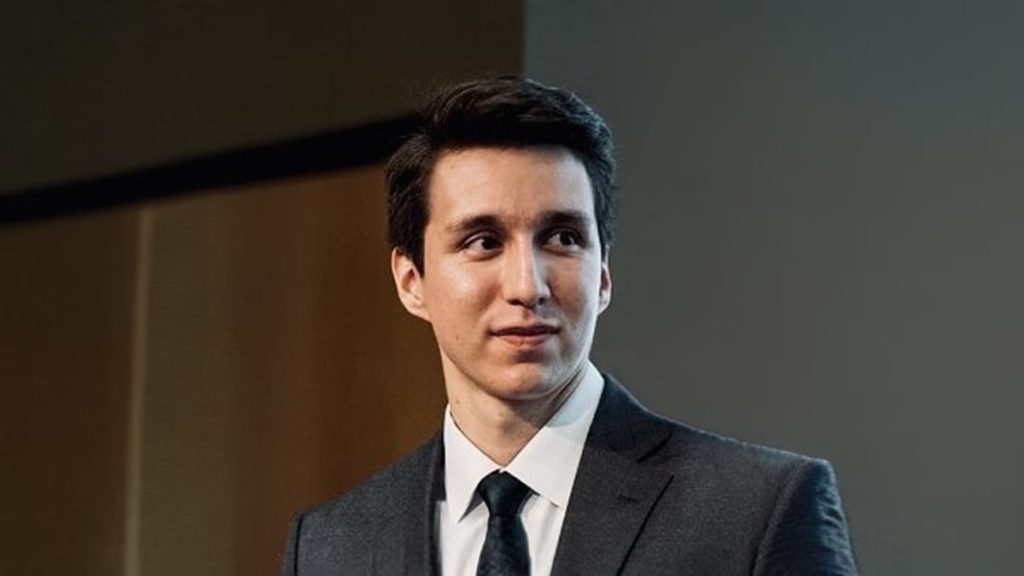
Laureano Ortega Murillo holds the title of Presidential Advisor for Investment, Trade, and International Cooperation. Since 2023, he has served as the regime’s primary liaison with China, Russia, Belarus, and Iran, effectively acting as the dictatorship’s «de facto» foreign minister.
Equipped with «full powers» delegated by executive decree, Laureano Ortega Murillo regularly signs bilateral agreements and meets with high-level officials from anti-U.S. regimes on behalf of his parents. In his capacity as investment advisor, the dictators’ son has led efforts to promote key domestic sectors, including gold mining. However, the United States has sanctioned him for his involvement in the sector. According to a 2026 investigation by LA PRENSA, the Ortega-Murillo family established an extortion scheme targeting both artisanal miners and established corporations.
«The increase in mentions of Laureano naturally stems from his more visible official duties today,» Guerra noted. According to the researcher, the presidential advisor is «by far the child with the most prominent and significant public profile, and the one Murillo cites most frequently.»
The analysis shows that out of 2,404 speeches by Murillo that were evaluated, Laureano was mentioned 181 times. His siblings followed far behind: Daniel Edmundo (33 mentions), and Camila and Maurice (around 15 each). Luciana and Rafael were cited only two or three times, while Juan Carlos and Carlos Enrique were not mentioned at all. The heavy emphasis on the “investment advisor” reinforces the theory that his mother is grooming him as the choice candidate for a dynastic succession.
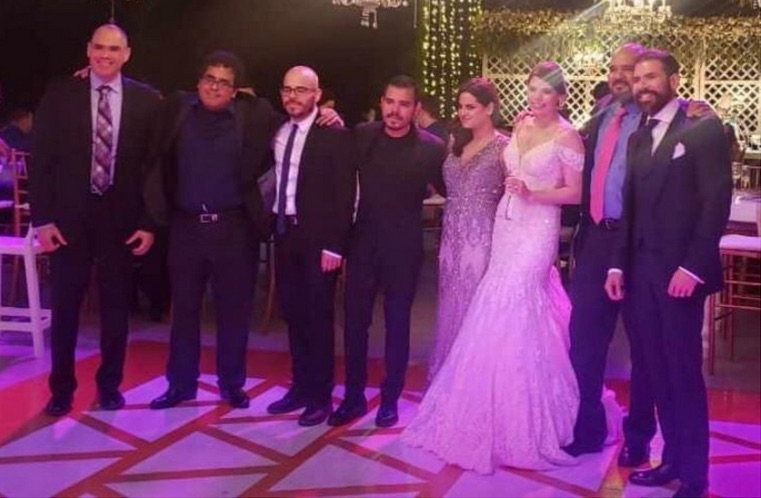
The statistical data highlighting Laureano Ortega’s rising prominence caught the attention of opposition figures, including former political prisoner and coordinator of the Citizens for Liberty (CxL) party, Juan Sebastián Chamorro, who attended the same congressional hearing where Gil Guerra appeared. For the opposition leader, the quantitative analysis of Murillo’s rhetoric indicates that she has actively planned for a transition; specifically, a family-led succession.
A Regime Accused of Systematic Human Rights Violations
The Ortega-Murillo clan has held power for 19 straight years. Severe human rights abuses attributed to their regime since 2018 include extrajudicial killings, arbitrary deprivation of nationality, and transnational repression. The regime currently holds at least 68 political prisoners, according to the Mechanism for the Recognition of Political Prisoners. Of these detainees, 31 remain victims of forced disappearance, and 15 are women, including two underage girls, according to a September 24 report.
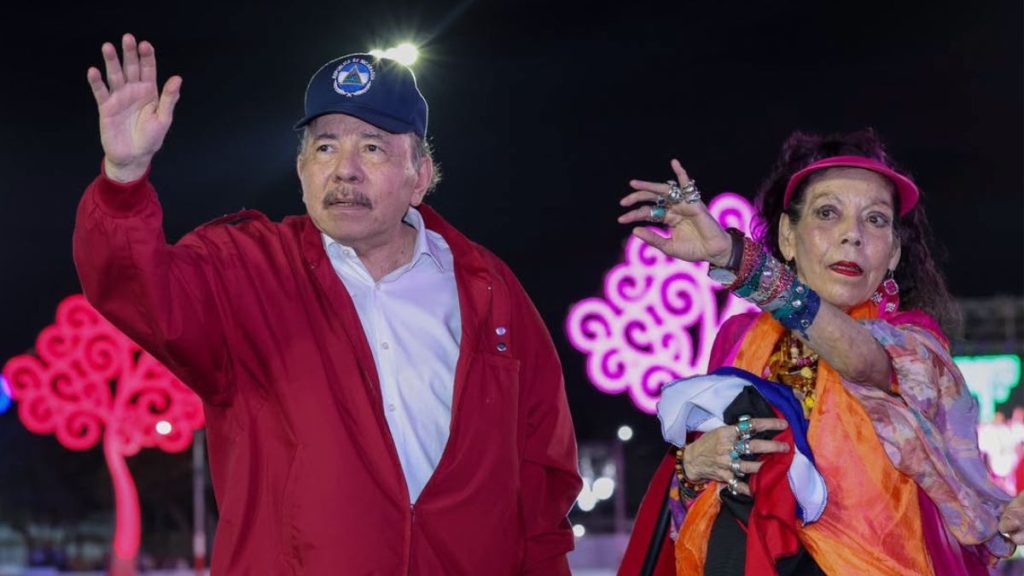
In Guerra’s assessment, Ortega and Murillo head a regime that «has become at least as authoritarian as Cuba or the Chavista government in Venezuela.» However, he notes that in its posture toward the United States, «it has acted more aggressively than many comparable regimes,» pointing to the weaponization of migration during the Biden administration.
Now, under the Trump administration, Guerra detects a growing consensus in Washington that «sooner or later, the regime will have to be confronted in one way or another.» Gil Guerra holds a bachelor’s degree in political science from Swarthmore College in Pennsylvania and a master’s degree in global security and borders from Queen’s University Belfast in Northern Ireland. He is fluent in Spanish and proficient in Portuguese, according to his biography at the Hudson Institute, where he serves as a research fellow.