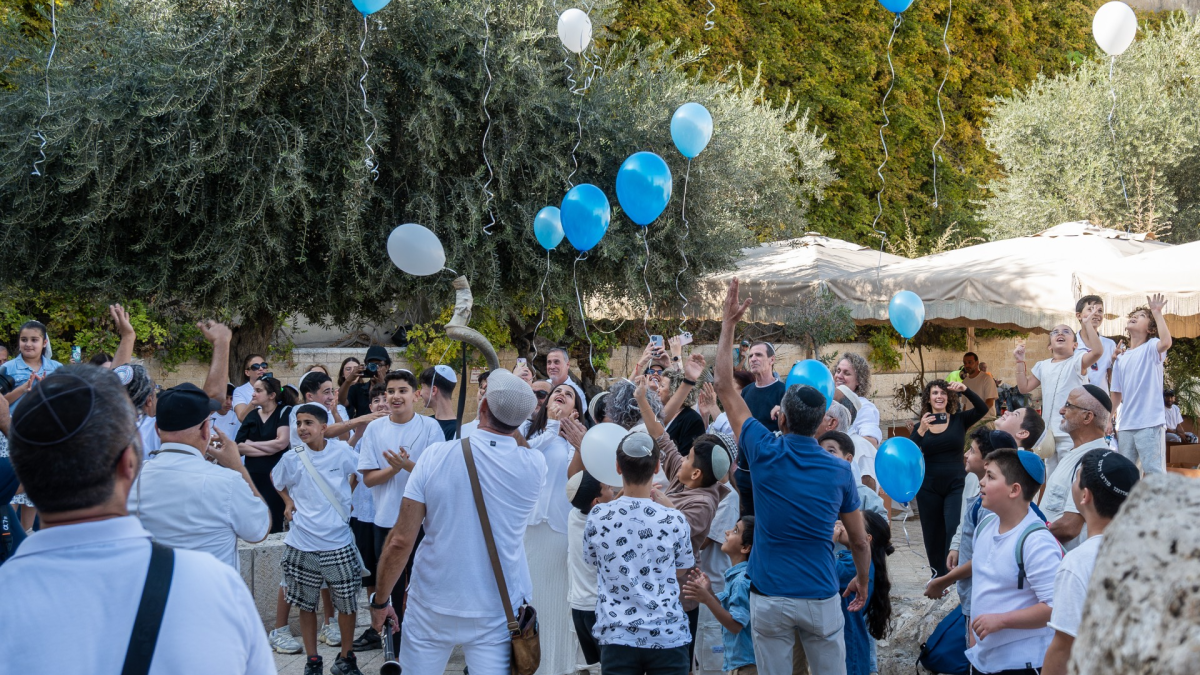
In the historic corners of Nazareth and the rolling landscapes of Galilee, Christmas markets lit up the end of 2025 with music, laughter, and the scent of seasonal treats. Christian tourism also returned to Bethlehem—the birthplace of Jesus—where, for the first time in two years, the traditional Midnight Mass on December 24 was celebrated once more, and a decorated Christmas tree shimmered in Manger Square.
Meanwhile, in Jerusalem, religious processions once again flowed through ancient streets that had long stood quiet without pilgrims.
Since the ceasefire, Israel has intensified its efforts to welcome travelers back, launching promotional campaigns and organizing religious events in anticipation of a vibrant Easter season. With December’s festivities unfolding in relative peace, optimism is in the air.
For decades, Israel—revered worldwide as the Holy Land—has been a cornerstone destination for Christian pilgrims and cultural travelers alike. Yet over the past five years, visitor numbers declined sharply, dealing a heavy blow to the travel industry. The COVID-19 pandemic brought global tourism to a standstill. Then, the war that erupted after the October 7, 2023 attack by Hamas—which left more than 1,200 Israelis dead and over 250 taken hostage to Gaza—further discouraged travel despite the country’s immense historical and spiritual significance.
Now, following the ceasefire agreement, the release of hostages, and the gradual return of pilgrims at the end of the year, 2026 is expected to surpass the 1.3 million tourists who visited Israel in 2025.
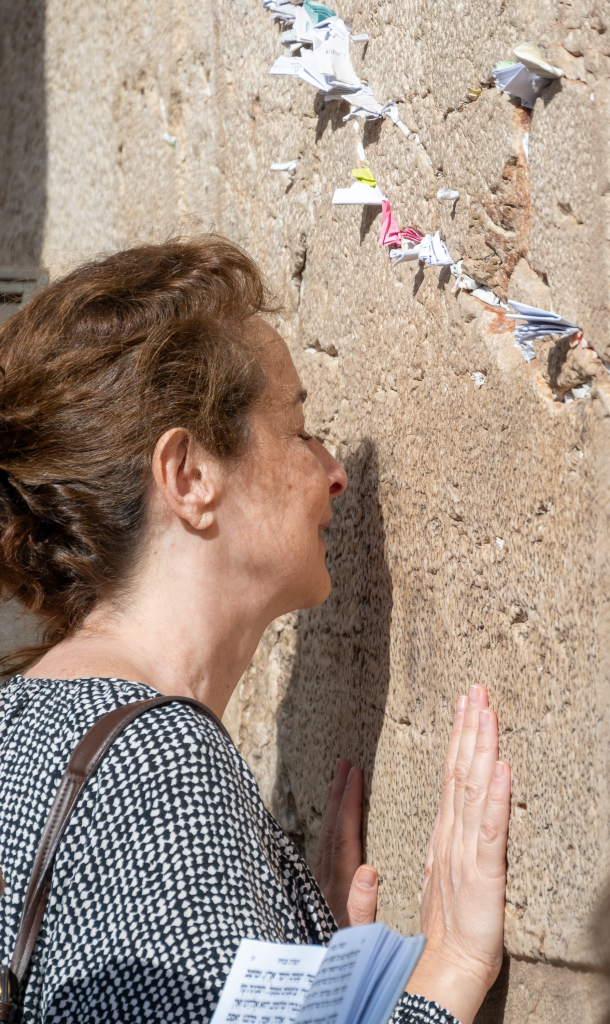
end of 2025. Photo by Ashley Neyra.
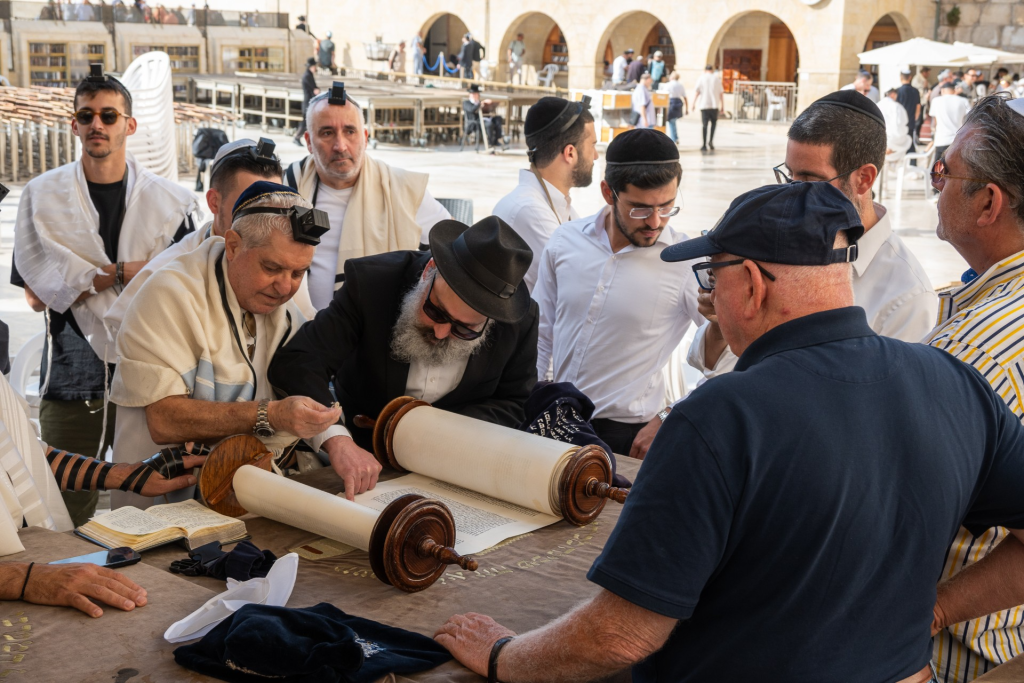
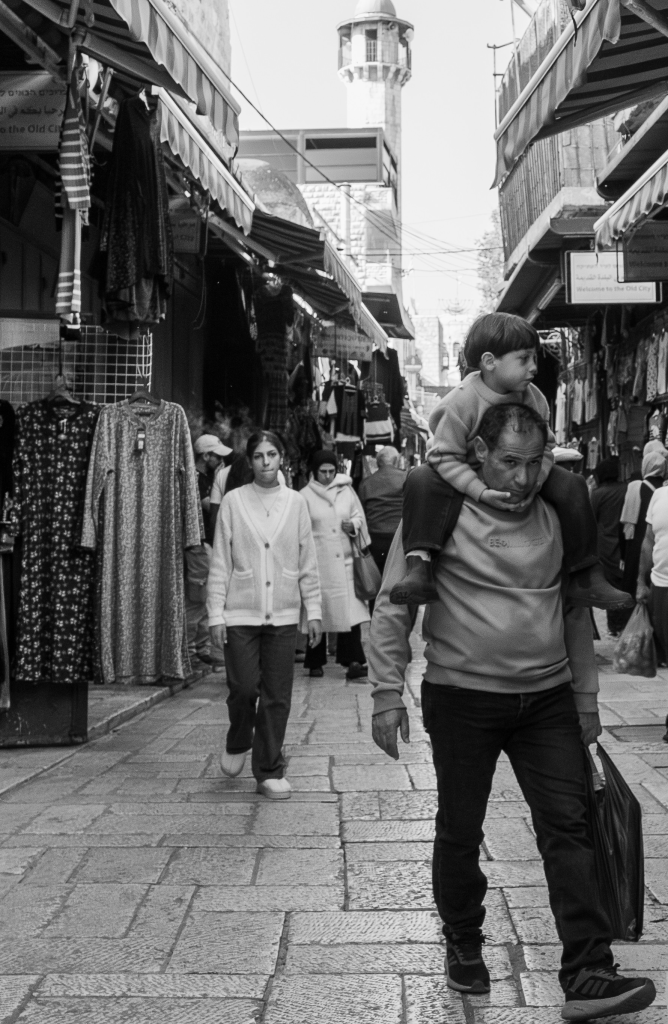
Photo by Ashley Neyra.
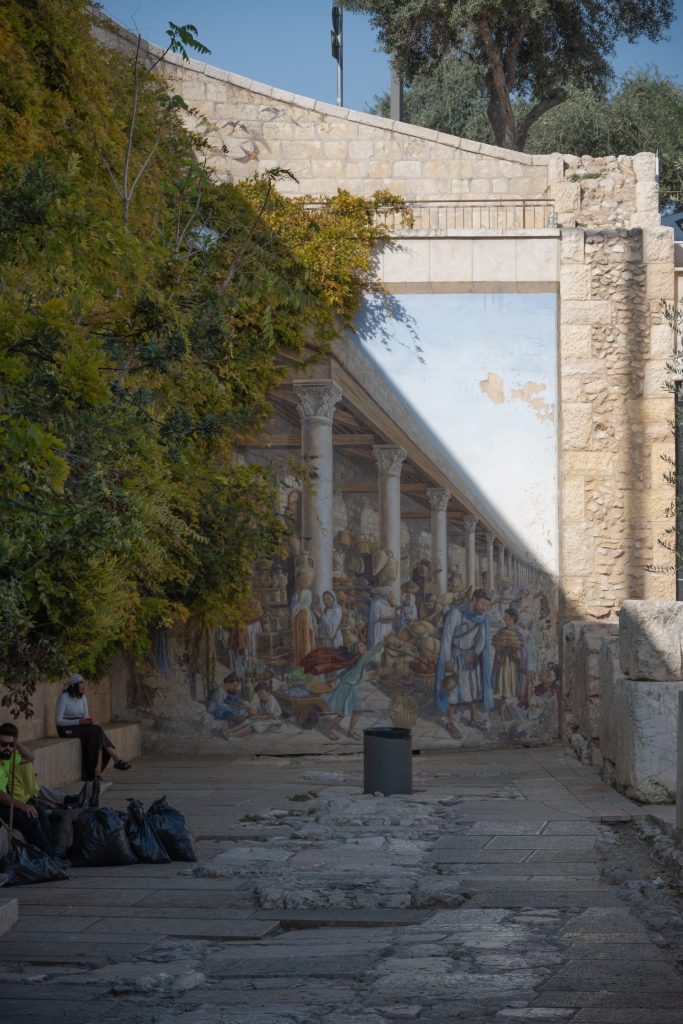
Photo by Ashley Neyra.
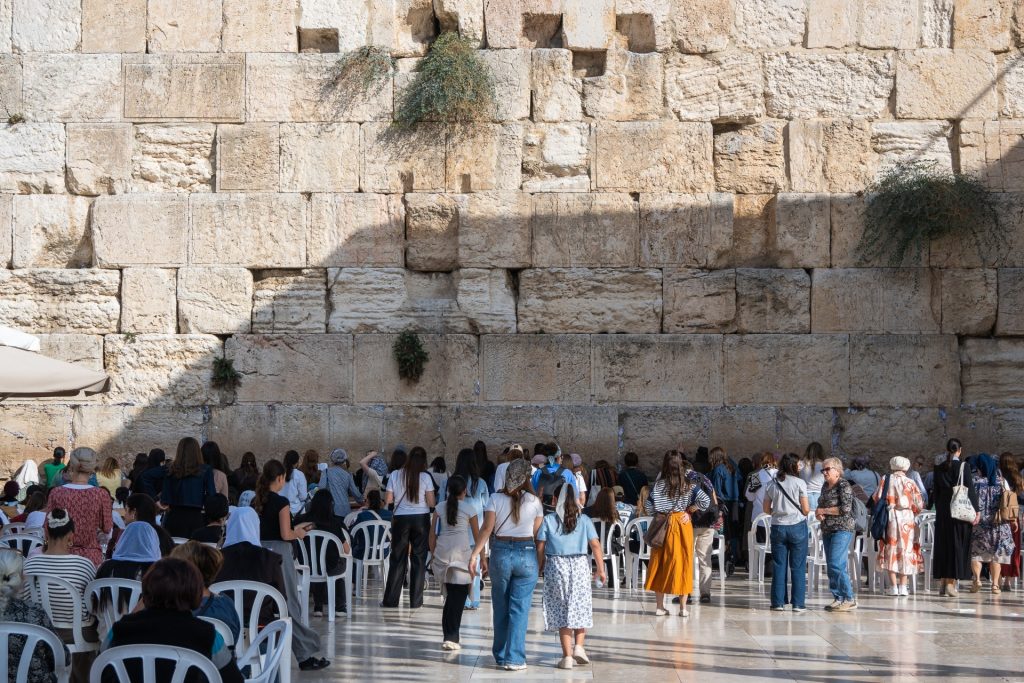
Tourism makes for the 2.8 percent of the economy
Tourism accounts for 2.8 percent of Israel’s economy—a meaningful contribution to what the country produces and sells to the world. But beyond statistics, the true impact is felt in the lives of those who depend on visitors: tour guides, shopkeepers in ancient markets, hotel workers, and restaurant owners.
In 2019, tourism provided 3.8 percent of jobs nationwide. At the height of the pandemic in 2020, that figure fell to 2.8 percent. A fragile recovery began the following year, only to be disrupted again by the events of October 7. Today, the sector supports 3.2 percent of employment.
Among the thousands affected is Mónica Rabotnicoff, one of nearly 9,000 tour guides in Israel. Specializing in tours of Jerusalem—one of the country’s most visited cities—she was forced to seek other work during the pandemic to make ends meet, setting aside what she calls her true passion.
During the height of the war, commercial and tourism activity nearly disappeared. “Only when the last hostages began to return did some shops start reopening,” she explains. “Tourism still hasn’t returned to what it once was.”
For months, she discouraged friends from traveling. “A friend kept telling me, ‘I want to come,’ and I would always say, ‘No, no, no.’ But the last time we spoke—she was calling from Argentina—I told her, ‘Now you can come.’ People are more relaxed. It’s calmer now.”
And with quiet conviction, she adds:
“Only peace can truly bring the tranquility—and the visitors—that this place deserves.”