In Pittsburgh, a city marked by diversity but also by migration challenges, two pro-immigrant organizations have become pillars of resistance and support. Latino Community Center (LCC) and Casa San José not only accompany immigrants amid fear and uncertainty; they are also building models of community strength that today serve as an example throughout Pennsylvania.
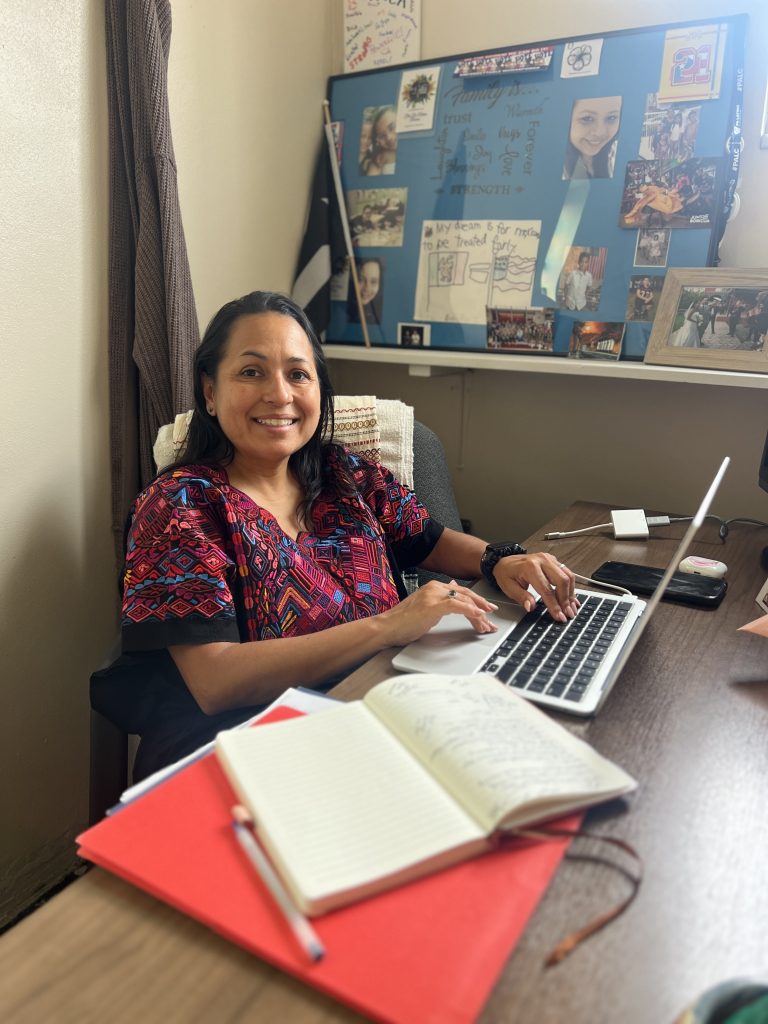
2025 has been a tough year for immigrant families. Raids, deportations, and hostile political rhetoric have forced many communities to withdraw. But for Rosamaría Cristello, founder and executive director of the Latino Community Center, the response could not be silence. “We had to act quickly. If we didn’t, fear would gain ground,” she said.
Since January, the LCC has implemented a series of family preparedness clinics in partnership with the University of Pittsburgh. In these sessions, parents learned how to prepare legal documents that designate guardians for their children in case of detention or deportation. «It was a sad thing we had to do, but necessary. We managed to prepare these documents in Spanish and give a little peace to our families. Knowing that your children will be protected if something happens changes everything,» explained Cristello.
The LCC also reinforced safety protocols in its programs and decided to prioritize the physical and emotional protection of its staff and beneficiaries. Several community activities were paused to ensure that no one was exposed to unnecessary risks. «It was not a time to grow, but to focus so we could survive,» Cristello emphasized.
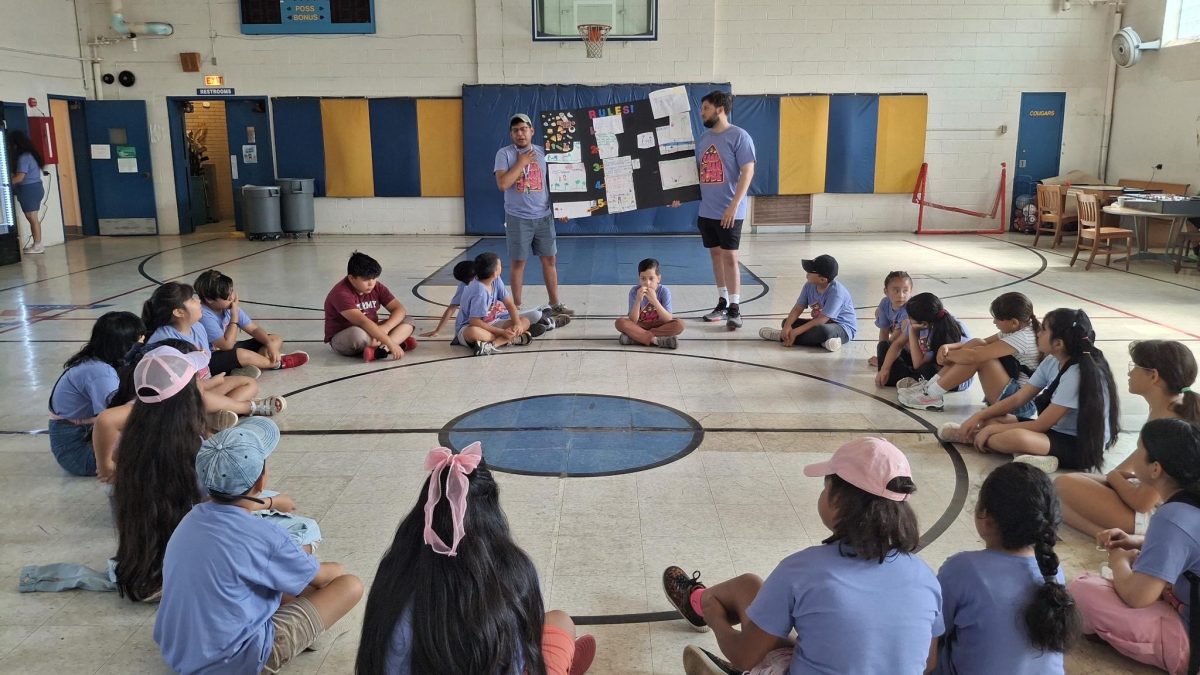
Despite this adverse context, the organization did not halt its educational and social mission. Its After School program, which serves dozens of Latino children, continued to operate without interruption. In addition, 23 young people from the youth leadership program were admitted to local and state universities, several of them with full scholarships. «The world may be on fire, but we focus on them: what they like, what they want to be,» added the LCC executive director.
Another important achievement was obtaining $1.6 million in state funding for the construction of a Youth Center at its main headquarters. «It will be a space designed by themselves, where they can study, learn technology, and have a safe place,» said Cristello.
Read also: U.S. imposes sanctions on Nicaraguans who facilitate irregular migration
Currently, LCC serves between 1,800 and 2,000 families each year. Recently, these families mainly come from Guatemala, Mexico, Venezuela, and Ecuador.
For Cristello, the true measure of success lies in the trust that the community places in them. “When a mother arrives crying and leaves with a plan, that is an achievement. Every family that feels less alone is already a victory,” she concluded.
Casa San José: Protecting with Closeness
In another part of the city, Casa San José has undergone a similar process, although with a more direct focus on defense and response to migratory crises. Its director, Mónica Ruiz, acknowledges that the past year has tested all available resources. “We are receiving more cases than ever. Single women, children without their parents, families who lost their income overnight. We couldn’t look the other way,” she said.
From that need, the Strong Mothers program was born, an initiative that offers free temporary housing to immigrant women and their children while they face emergency situations. “We provide them with shelter, food, and psychological support. The minimum a person needs to be able to think clearly and decide their next steps,” Ruiz explained.
The program, funded through community donations and partnerships with other institutions, has already benefited dozens of families since its creation. «Many of those women today have jobs, their children are in school, and they no longer live in fear,» she added.
Support network that saves lives
Another pillar of Casa San José is its Rapid Response Network, made up of more than 500 volunteers across the region. This network is activated within minutes when operations by U.S. Immigration and Customs Enforcement (ICE) agents are reported. The volunteers observe, document, and accompany the affected families. “Sometimes 20, 30, or even 70 people arrive; their presence can make Immigration leave, and in other cases, at least we have the names of the people who are detained to inform their families, and that helps us with the advocacy we do,” Ruiz stated.
Also of interest: Costa Rica in Pittsburgh: A Window to the Soul of Central America
In addition to its emergency work, Casa San José continues to expand its health, education, and employment programs. It offers free medical consultations, dental clinics, English classes, and technology courses that culminate with the delivery of computers to those who complete the program. “We want people to have real tools to move forward. It’s not just about surviving, but building stability,” said Ruiz.
One of this year’s most significant achievements is the progress of the project for its new community building in Beechview, with an investment of 6.3 million dollars. The space will allow for the expansion of services and create a safe and accessible environment for thousands of Latinos. “It will be a home for everyone. A symbol that we are still here, strong, contributing a lot to this city that is also ours. We want a place where Latinos feel safe. We are in difficult times, but we must not be defeated. We are strong and intelligent,» said the director.
Weaving community in difficult times
Both the Latino Community Center and Casa San José agree that their work is not just about providing assistance, but about building community. Their joint efforts have made it possible to channel resources, create bridges with local institutions, and highlight the contributions of Latin American immigrants in Pittsburgh.
In recent years, both organizations have managed not only to withstand political and social pressure, but also to strengthen their capacity for action. They have obtained new funding, expanded their volunteer base, and gained recognition for their impact on the cultural and social integration of immigrants.
«What we do is out of love and justice,» Ruiz summarizes. «Every person we help, every child who smiles again, reminds us why we are still here.»
Cristello agrees: «The Latino community is alive, strong, and contributing. No matter what happens, we will continue to support it,» she concluded.