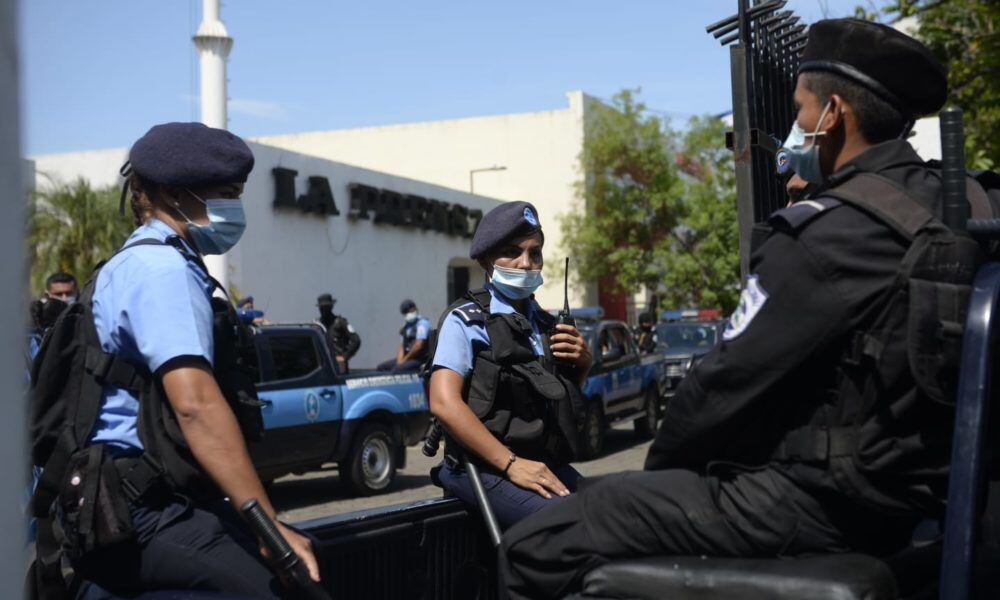
The dictatorships of Cuba, Venezuela, and Nicaragua have relentlessly sought to impose direct censorship on the media. Raids and confiscations, disappearance of print media, unpunished murders, imprisonment, assaults, judicial persecution, and exile of journalists are indicative of how these regimes have turned them into their worst enemies.
For exiled journalist Cristopher Mendoza, a member of the board of the organization Independent Journalists and Communicators of Nicaragua (PCIN), the Nicaraguan regime fears the investigative work carried out by communicators.
«In Nicaragua, as is also the case in Venezuela or Cuba, what they have done is create their own self-serving media, they have established their own media outlets to tell a parallel story that has nothing to do with all the allegations of corruption, murder, and human rights violations,» says Mendoza.
Furthermore, Mendoza believes that the extensive knowledge and exposure of serious human rights violations by journalists prompt the Nicaraguan regime to attempt to portray normalcy through the «news» from its own officialist media.
«They consider us enemies because we are not in their favor; we are in favor of the people, and that is the role of independent journalism,» he states.
Imprisoned journalists
In the three countries with dictatorships, journalists are being held in prison, accused of alleged dissemination of fake news, conspiracy against their territories, and many other charges.
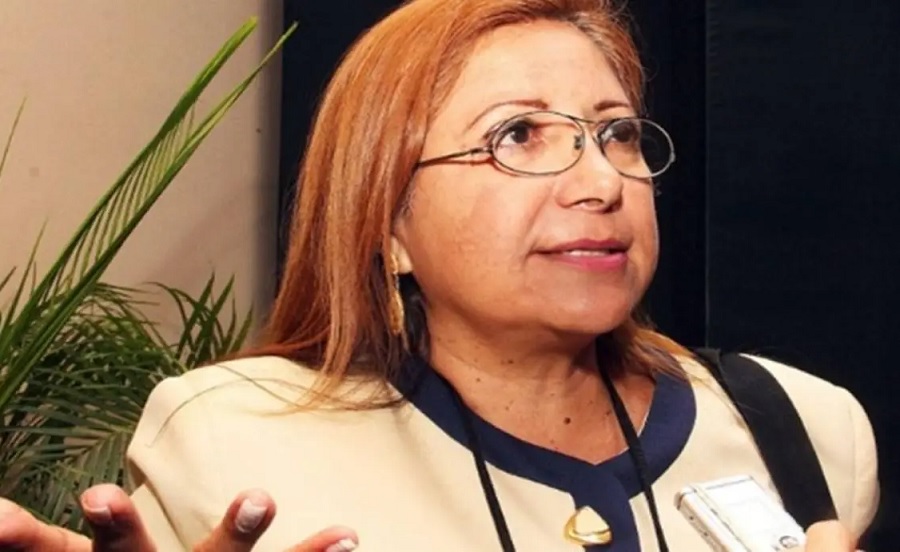
In Venezuela, the most recent kidnapping is that of journalist Sebastiana Barráez from Infobae. In a new attack on freedom of expression, the Venezuelan dictatorship ordered the detention of Barráez on January 22, 2024, along with another group of human rights activists.
The crimes for which she is being investigated include «treason to the nation, intentional homicide qualified as attempted against the person of the President of the Republic, intentional homicide qualified as attempted against the person of the governor of the state of Táchira, terrorism, and association,» stated the Chavista prosecutor, Tarek William Saab.
In Cuba, journalist and activist Lázaro Yuri Valle Roca was sentenced on July 28, 2022, to five years in prison for the crimes of «continuous enemy propaganda.» However, the journalist had already spent over a year in prison at the time of his sentence, having been detained on June 15, 2021.
At the time, the Cuban Institute for Freedom of Expression and Press (Iclep) denounced that the journalist was «deceptively summoned» by the National Revolutionary Police to allegedly close an investigation opened in 2020 against him for the alleged crime of contempt. Since his detention, the deterioration of his health has been reported. In October 2023, his wife denounced that the authorities are «letting him die».
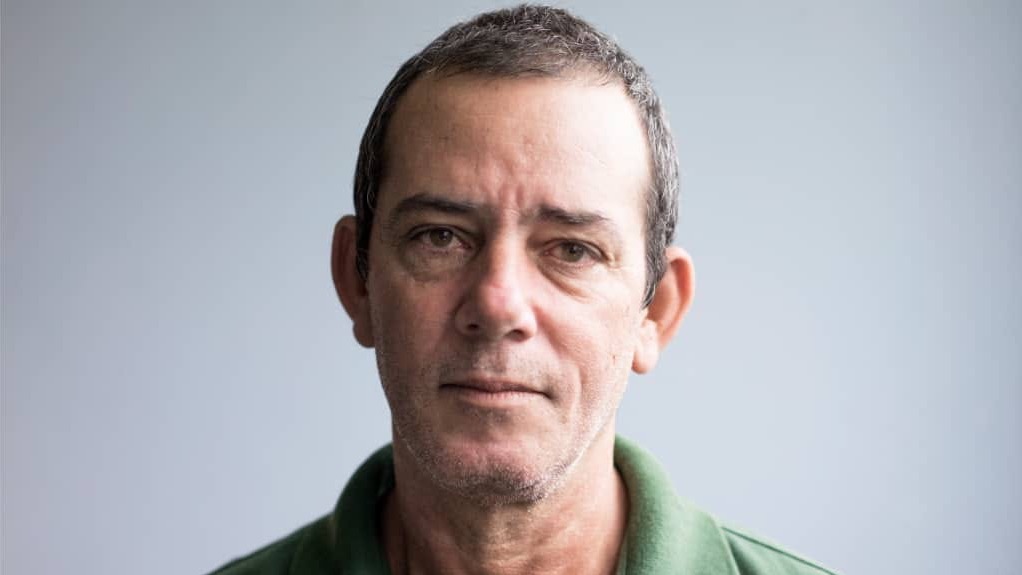
In Nicaragua, there is the case of Víctor Ticay, an independent journalist and correspondent for Canal 10, who was sentenced to eight years in prison on August 15, 2023, for the crimes of «treason to the nation and spreading fake news.» Ticay was arrested on April 6, 2023, while covering a religious event during the celebration of Holy Week.
Also read: Ortega regime sentences journalist Víctor Ticay to eight years in prison
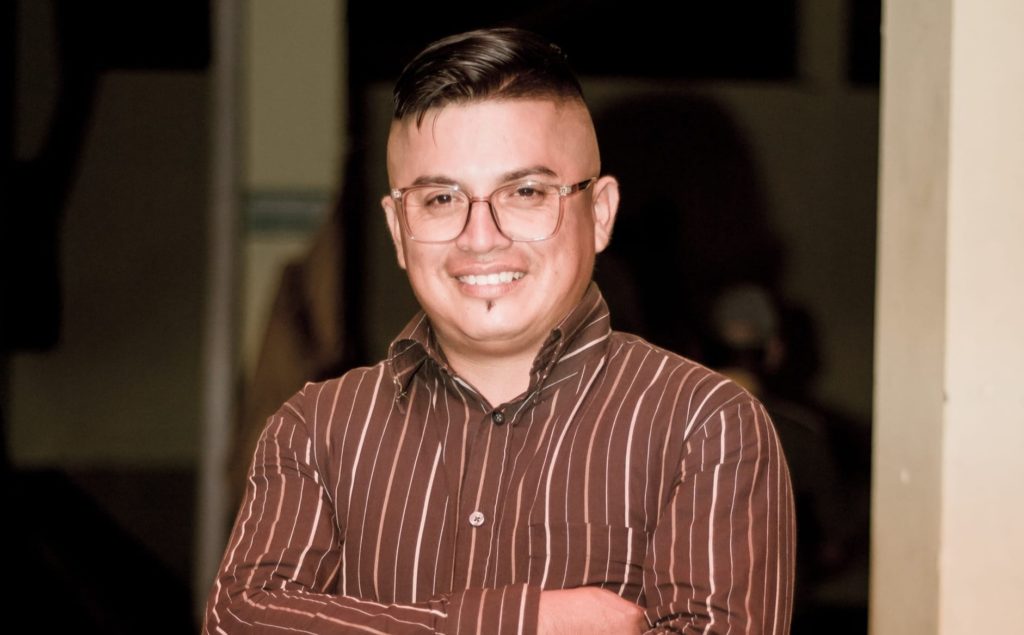
Danny Ramírez Ayérdiz, lawyer and executive secretary of the Inter-American Legal Assistance Center (Calidh), considers that the attacks against journalists, media, and the definitive demolition of press freedom in Cuba, Nicaragua, and Venezuela are related to two specific issues.
«On one hand, a historical matter; these regimes supposedly seek to preserve a messianic agenda of a supposed revolutionary project, and in these authoritarian messianic projects, the media has no place. The other reason is that through persecution, they seek to cling to power because they are authoritarian or dictatorial mafias,» he said.
He adds that only democratization, which includes press freedom, can lead to an improvement in the economic and political situation of a country.
Exile
According to the Foundation for Freedom of Expression and Democracy (FLED), more than 200 Nicaraguan journalists are in exile.
The persecution, exile, and banishment of reporters and communicators continue to grow considerably. Meanwhile, the cases of complaints decrease every day due to the victims’ fear of being identified, even in those who make complaints under the condition of anonymity,» says FLED.
According to publications from Cuban independent media, the exact number of Cuban journalists and independent media workers who have left the country due to repression or explicit threats of imprisonment is difficult to determine. However, they report that in the last three years, there have been more than 30 cases.
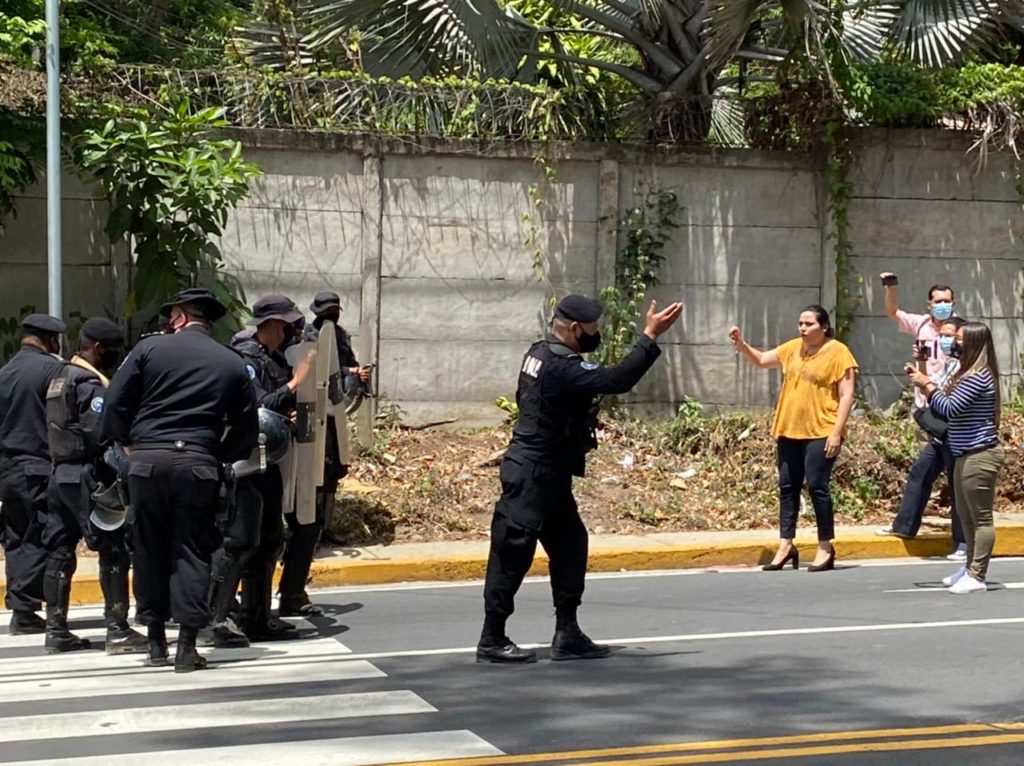
Although there is no specific number of Venezuelan journalists in exile in Venezuela, it is known that there is a significant number of journalists in exile, and there were more than 900 political prisoners, according to details from the Inter-American Press Society (SIP).
Between 2013 and 2022, more than 60 Venezuelan newspapers ceased circulation due to lack of funds, government control, or the inability to purchase enough paper to print their editions. Television networks have been forced to self-censor or have disappeared.
In Nicaragua, Cuba, and Venezuela, the various forms of attempting to crush independent journalism originate from each state and all the machineries of public institutions.
The obstacles faced by Nicaraguan press began in 2007 when Ortega returned to power and intensified in 2018 when he sought to prevent journalists from documenting human rights violations during the population’s protests.
The confiscation of media in Nicaragua
The onslaught of the regime in Nicaragua has included the raid, confiscation, and closure of media outlets. On August 13, 2021, the police stormed the offices of La Prensa, the oldest newspaper in Nicaragua.
A day after the raid, the police arrested the general manager of La Prensa, Juan Lorenzo Holmann, who was later exiled by the regime in 2023.
In December 2018, there was the confiscation of the channel 100% Noticias, founded by journalist Miguel Mora, and the offices where the editorial offices of Confidencial and Esta Semana, directed by Carlos Fernando Chamorro, operated. On December 13, 2018, the police raided and looted the editorial office of Confidencial and Esta Semana. A day later, the arbitrariness continued with the occupation of the offices.