Nicaragua’s crisis goes beyond the illegitimacy of a government. It threatens the very foundations of the democratic and constitutional order. The concentration of power, the dismantling of institutional checks, the suppression of fundamental freedoms and political pluralism, the elimination of genuine elections, and the destruction of the opposition inside the country have steadily undermined the principles of a democratic state governed by the rule of law. The regime has used the law to entrench political control in the hands of one family.
Understanding the scope of this crisis under constitutional law requires examining three related issues: the illegitimacy of the way power was obtained, the illegitimacy of the way it has been exercised, and the unlawful extension of the term of office through illegitimate and illegal constitutional amendments. This sequence explains how the democratic and constitutional order broke down and what follows, legally and politically, when those in office usurp power to remain there.
Power was illegitimate from the outset because the elections lacked the democratic conditions necessary for voters to freely exercise their sovereignty and for political competition, pluralism, and genuine voting. On Nov. 12, 2021, the General Assembly of the Organization of American States (OAS) adopted Resolution AG/RES. 2978 (LI-O/21), declaring that the Nov. 7 elections lacked democratic legitimacy. That finding is a key institutional precedent for this analysis.
The way power has been exercised compounds the illegitimacy of its origins. The democratic exercise of power requires that those who formally assume office abide by constitutional limits, respect the separation of powers and judicial independence, uphold human rights, and guarantee political participation. When power goes unchecked, concentrating authority, subordinating other branches of government, shutting down avenues for political competition, and persecuting dissenters become means of political and social control. Those in office use these tools to entrench themselves, destroying the foundations of the constitutional rule of law.
The third issue is the unlawful extension of the term of office without the consent of voters. Fixed constitutional terms guard against indefinite rule. Any amendment that changes their duration, alters the rules of succession or seeks to extend the terms of officials already in office therefore warrants rigorous constitutional scrutiny, especially when the process lacks safeguards for legality, democratic legitimacy, and meaningful public participation.
The starting point is Article 123 of the Constitution as amended in February 2025. It provides that the co-presidents serve six years from the date they take office. Article 14 of Law No. 1234 expressly provided: “The terms of officials elected by popular vote in the most recent general, municipal and regional elections shall be extended to conform to the six-year term established by the Political Constitution of the Republic of Nicaragua.” This provision raises a significant constitutional question about the validity and effects of extending the terms of authorities who had already been exercising power illegitimately since 2021. Through these amendments, Daniel Ortega and Rosario Murillo have also usurped the powers of the co-presidency, an office created after the fact that neither was elected by popular vote to hold.
The problem goes beyond the lack of electoral legitimacy. As a matter of constitutional law, the National Assembly has no authority to make these structural changes to the political system. That authority belongs exclusively to a constituent assembly convened by the people. This is where the doctrines of unconstitutionality from inception and legal inexistence, under which an act is treated as never having come into legal existence, become especially relevant.
This discussion must also account for the proposals for partial constitutional amendments approved in the first legislative session on Sept. 1, 2026, and published Sept. 2 in La Gaceta, the official gazette, No. 163. Articles 3, 6 and 7 propose extending to seven years the terms of officials elected by popular vote and those elected by the National Assembly, moving the presidential inauguration to Jan. 18 and extending the terms of current officeholders to seven years. A further amendment from October 2026 would revise Article 126, replacing vice presidents with “presidential designees” appointed directly by the co-presidents.
These latest amendments can take effect only upon approval in a second legislative session. Until that constitutional requirement is met, they have no legal effect. Even now, however, we can say that these amendments, like those of 2025, are unlawful and illegitimate. The National Assembly lacks the authority to transform the essential structure of the state through the ordinary procedure for partial constitutional amendments. These amendments never came into legal existence because the body that adopted them exceeded the authority the Constitution granted it.
Consequently, Jan. 10, 2027, marks the end of the illegitimate term of Daniel Ortega and Rosario Murillo, which began in January 2022 and originated in the illegitimate elections of November 2021. The failure to hold elections in November 2026 and the expiration of the original five-year term sever the link between citizens and public power, leaving no valid and legitimate legal authority for the continued exercise of public office. Beginning Jan. 11, 2027, the continued tenure of Ortega and Murillo, the other authorities “elected” in the most recent general, municipal, and regional elections, and the officials appointed by the National Assembly and the co-presidency bring about a rupture of the constitutional order. It amounts to a usurpation of power and the de facto continuation of the institutions.
Responding to this constitutional and democratic rupture requires identifying and declaring Daniel Ortega and Rosario Murillo usurpers of power and building a way forward that restores the constitutional order and gives Nicaraguans back the right to decide who governs them. That requires a transition with guarantees, the recovery of civil liberties, the restoration of political rights and pluralism, and the rebuilding of independent institutions.
The transition must guard against a new imposition or a negotiated succession that bypasses the will of the people. It must rest on verifiable rules, freedom of association and expression, participation by all democratic forces, and effective guarantees for the exercise of fundamental rights. The international community, particularly the OAS, has an important responsibility to support the process and help secure a democratic solution and the recovery of Nicaraguans’ fundamental rights and freedoms. Democratic legitimacy can be restored when citizens freely express their will in free, competitive, inclusive, and transparent elections run by an independent electoral authority and subject to effective international observation. Through those elections, the Nicaraguan people can exercise their sovereignty once again.
Replacing the current power structure while leaving its foundations intact would leave Nicaragua with the same underlying system. Nicaragua needs to restore constitutional order and the rule of law, recover the independence of its institutions, and reestablish the essential principle of every democracy: popular sovereignty. Democratic legitimacy cannot be inherited, imposed, or manufactured through constitutional amendments. It comes from free, universal, and secret voting by citizens who have the right to choose their leaders and decide Nicaragua’s future.
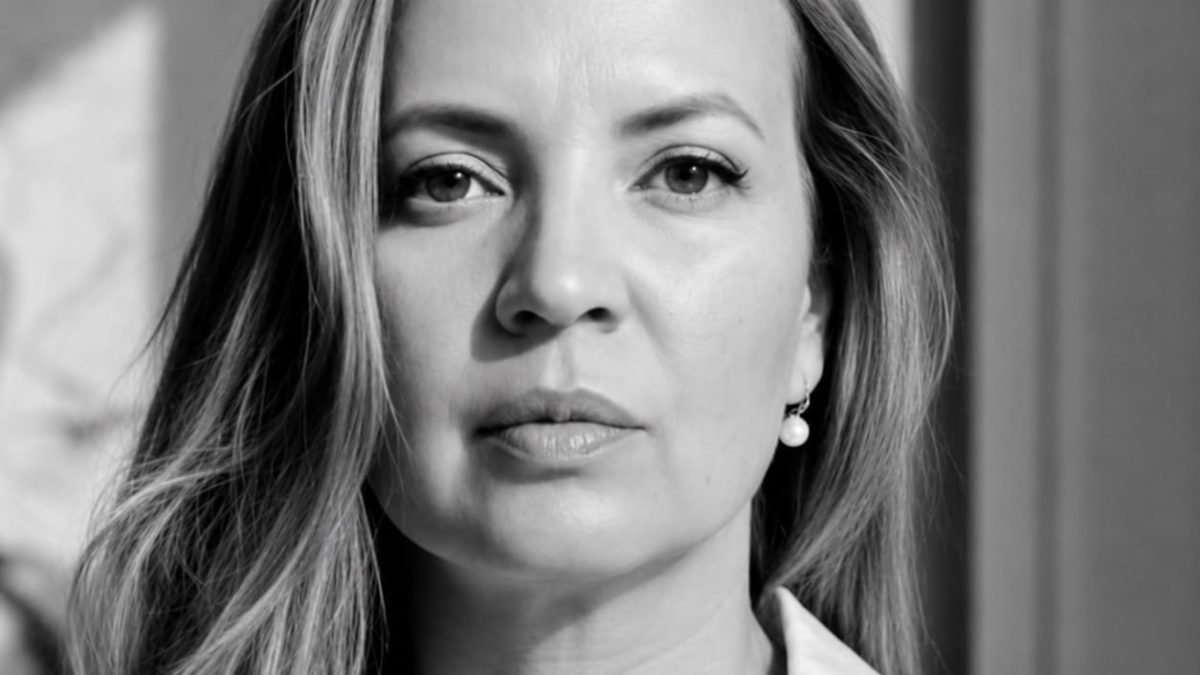
The author holds a PhD in Law from the University of Alcalá (Spain) and is a Nicaraguan legal scholar and academic forced into exile.
This article was originally published in Spanish and translated into English by the author.