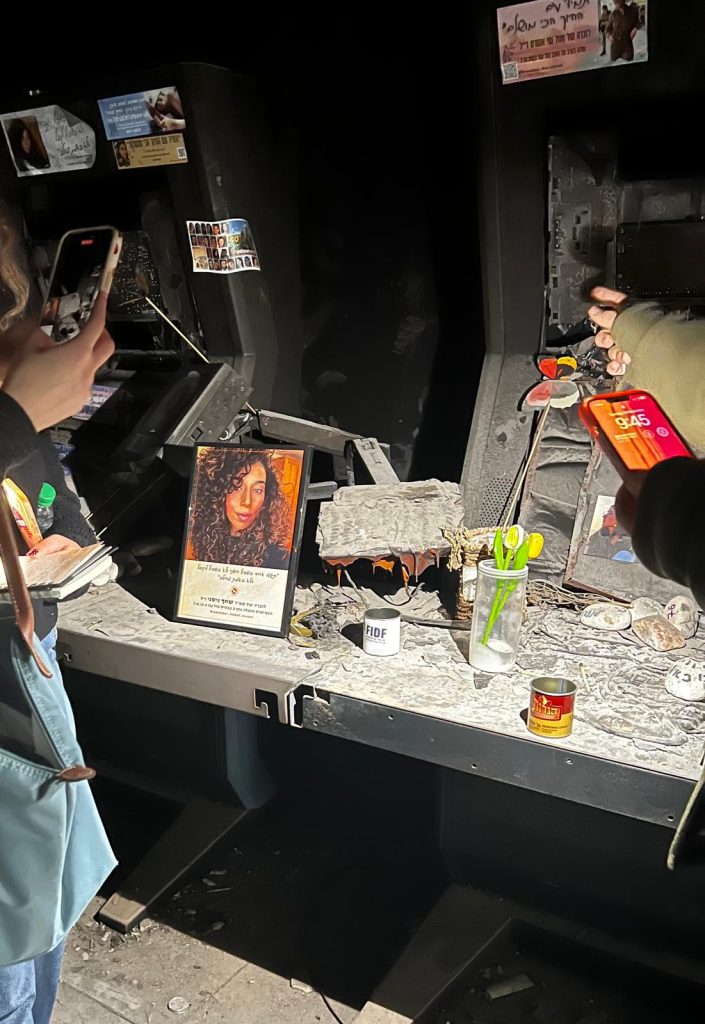
On October 7, 2023, 20-year-old Sergeant Shahaf Nissani called her family from the Nahal Oz military base, a kilometer from the Israel-Gaza border, to say goodbye.
In front of the security cameras in the control room, which she and other surveillance soldiers monitored for suspicious activity along the border, she and her fellow soldiers watched as Hamas terrorists began attacking the base shortly after 6 a.m. For weeks, the soldiers of Unit 414, who were unarmed, had alerted their superiors in the Israel Defense Forces (IDF) about assault exercises and hostage-taking drills they were observing from Hamas militants in Gaza, but their warnings were ignored.
On that bloody day, Nissani and 15 of her fellow soldiers were killed. A total of 53 soldiers died in the Hamas attack on Nahal Oz, and about a dozen more were kidnapped. By the end of that day—the worst massacre in Israel’s history since its independence in 1948—more than 1,200 Israelis had been killed at military bases, a music festival, and multiple kibbutzim in southern Israel; more than 250 were kidnapped and taken to Gaza.
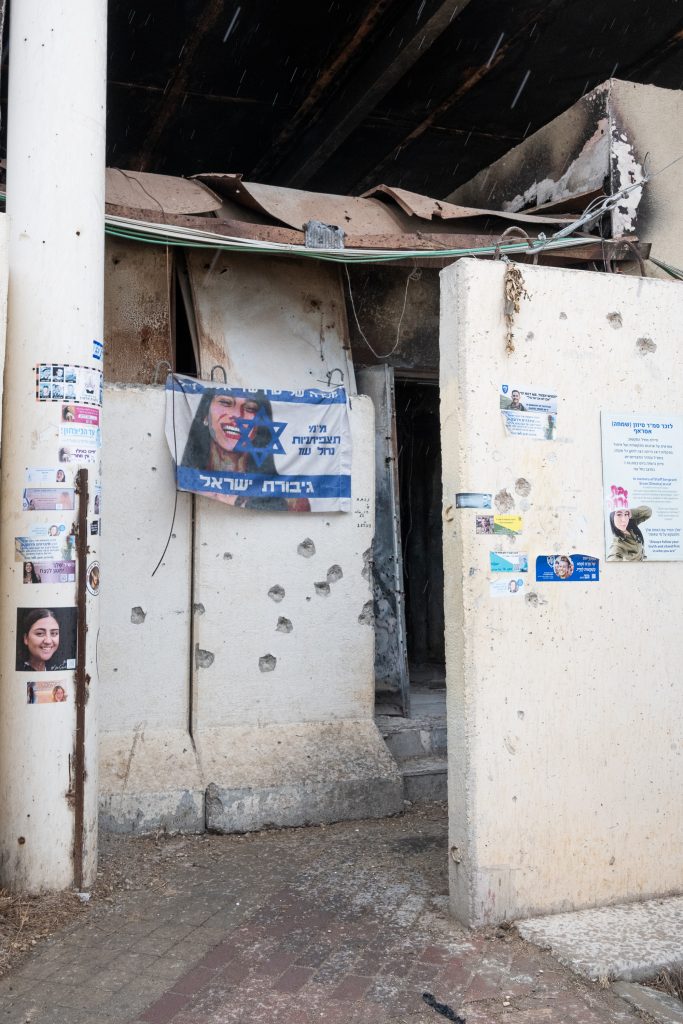
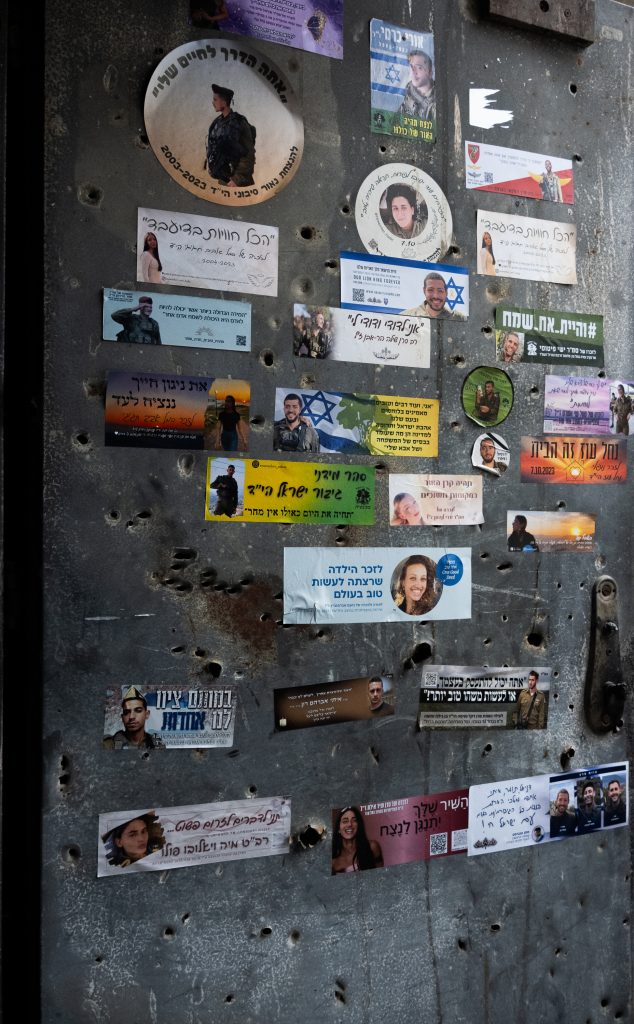
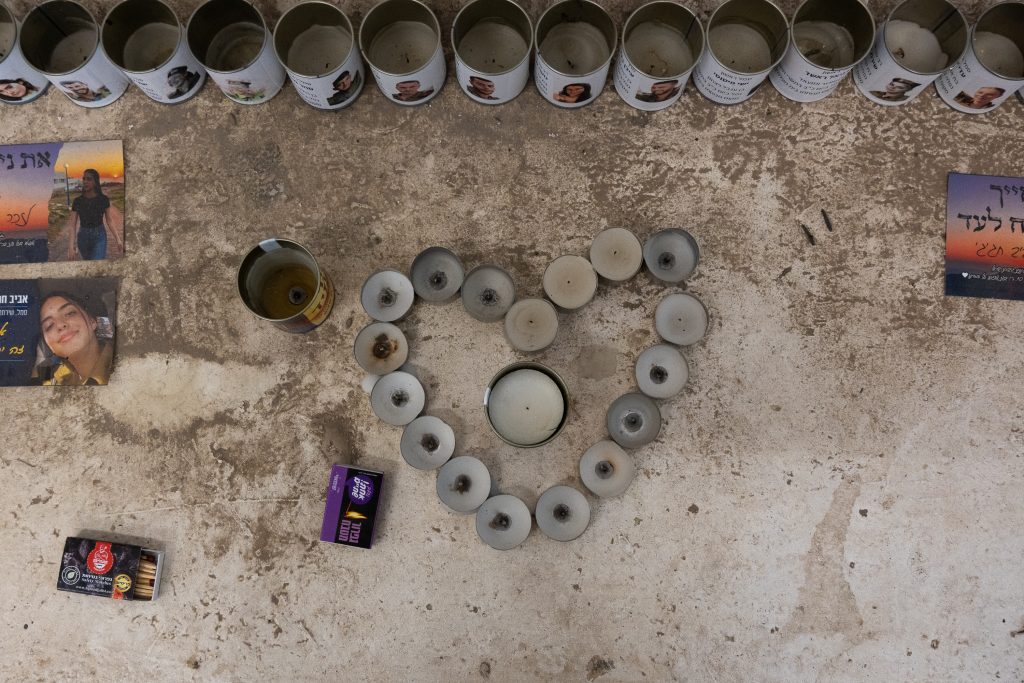
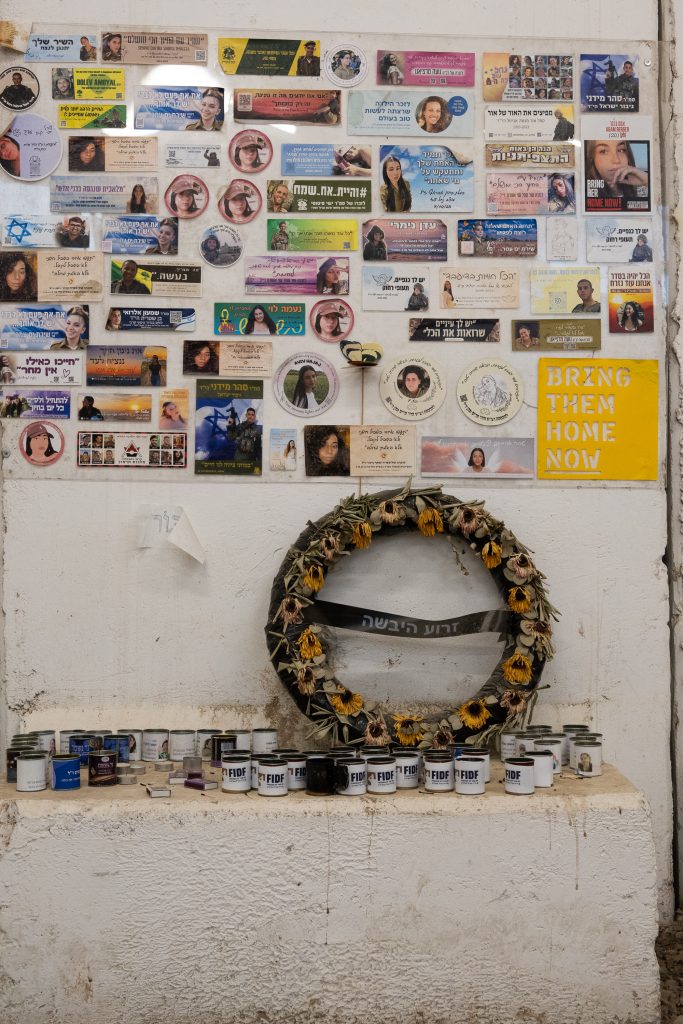
Two years later, the last 20 surviving hostages have just returned to Israel following a ceasefire agreement, and one of the comrades of these young women now tells their stories to visitors at the Nahal Oz lookout post, today a charred shell filled with bullet-scarred walls. “I want to make sure they are not forgotten,” says Sergeant O, who cannot show her face or use her full name in interviews due to IDF security directives. “And I also want to show the world that the Israel Defense Forces are not just an intimidating force that people are so afraid of—it’s also a 1.57-meter-tall girl with brown hair who wants to protect her country. They too are the IDF.”
For Sergeant O, remembering the young women who fell at the base that day has helped her move forward. After two years of war in the region, that is what many soldiers and Israelis in general are seeking today: how to cope with the loss of friends and family, heal wounds that cannot be seen, and regain their mental health.
Dr. Einat Kaufman, a clinical psychologist in Israel who treats survivors of October 7, explains that the road to recovery is not a process that takes place in just a few days. Dr. Kaufman explains, “It is a very, very long therapy; the important thing is to restore the feeling that you have control over your life.”