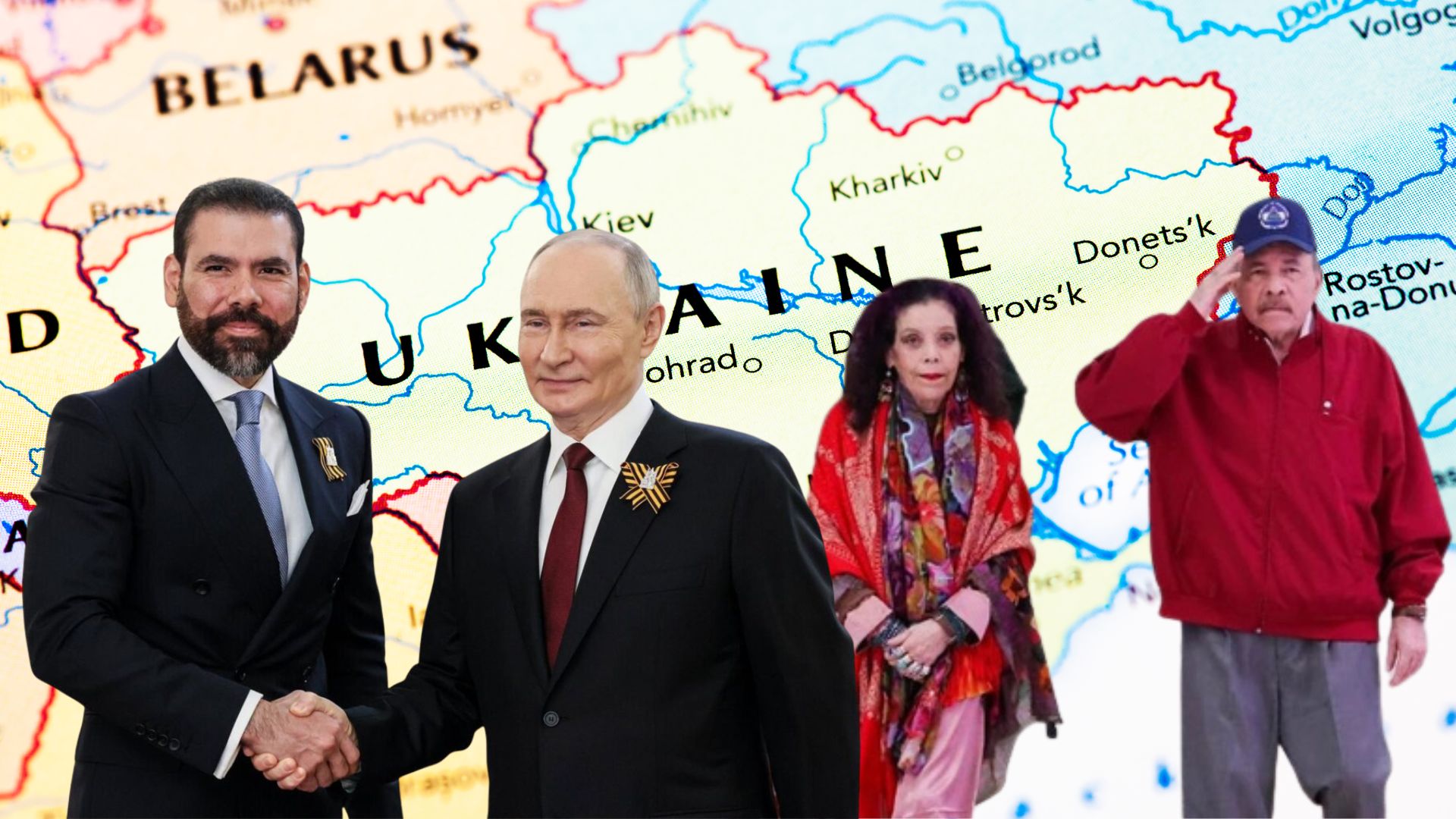
Over the past 19 years, the regime of Daniel Ortega and Rosario Murillo has not only consolidated absolute power but also strengthened its alliance with Russia. Some of its fiercest critics in Nicaragua have long argued that this partnership had not received sufficient attention in Washington.
In February, The Economist published an analysis suggesting that Nicaragua had thus far avoided the fate of Venezuela and Cuba. At the time, Nicolás Maduro’s grip on power had recently come under renewed scrutiny, while Cuba was grappling with a deepening crisis exacerbated by disruptions in oil supplies from Venezuela.
Regarding Nicaragua, the British publication argued that the country had not faced sustained pressure from the Trump administration. Four months later, however, the implementation of the Donroe Doctrine—rooted in the longstanding principle of “America for the Americans”—has at least succeeded in bringing Ortega’s ties with Russia under closer scrutiny, as well as the relationships he has cultivated with China and Iran.
Last week, the U.S. House of Representatives postponed a hearing titled “Confronting the Ortega-Murillo Totalitarian Regime.” During the session, Deputy Assistant Secretary of State for Central America Ana Quintana-Lovett was scheduled to testify on the situation in Nicaragua.
«A Police State Sustained by Corrupt Criminal Elements”
A transcript of the official’s prepared remarks, obtained by this newspaper, warned not only that the United States could combine sanctions with diplomatic pressure to address the challenges posed by Ortega’s international alliances, but also described Nicaragua’s dictatorship as “a police state sustained by corrupt criminal elements.”
While the United States has sanctioned members of the regime—including Rosario Murillo and five of her children—American experts remain divided over what steps the current administration may take next. Former Chargé d’Affaires Kevin O’Reilly warned this month that additional pressure could be forthcoming, whereas former USAID administrator in Nicaragua Steven Hendrix argued that Trump would act only if doing so yielded political benefits.
LA PRENSA consulted three Nicaraguan experts to get their views on the regime’s risky international relationships and the potential political consequences. A security expert, a political scientist, and an economist agreed to share their assessments.
Defense Analyst: “Russian Influence Is No Longer Limited to Nicaragua”
For Nicaraguan defense and security analyst Javier Meléndez, the Trump administration’s new red line has arrived late.
“For at least 15 years, there has been a steady increase in Russia’s presence in Nicaragua and, more recently, a rapid expansion of Chinese influence. Yet for a long time, these developments failed to receive the strategic attention they deserved,” said Meléndez, director of the Central American think tank Expediente Abierto.
Meléndez argues that Nicaragua has become Russia’s primary political and security platform in Central America. He explains that the relationship between the two countries has enabled permanent mechanisms of cooperation in police surveillance, military affairs, and media operations.
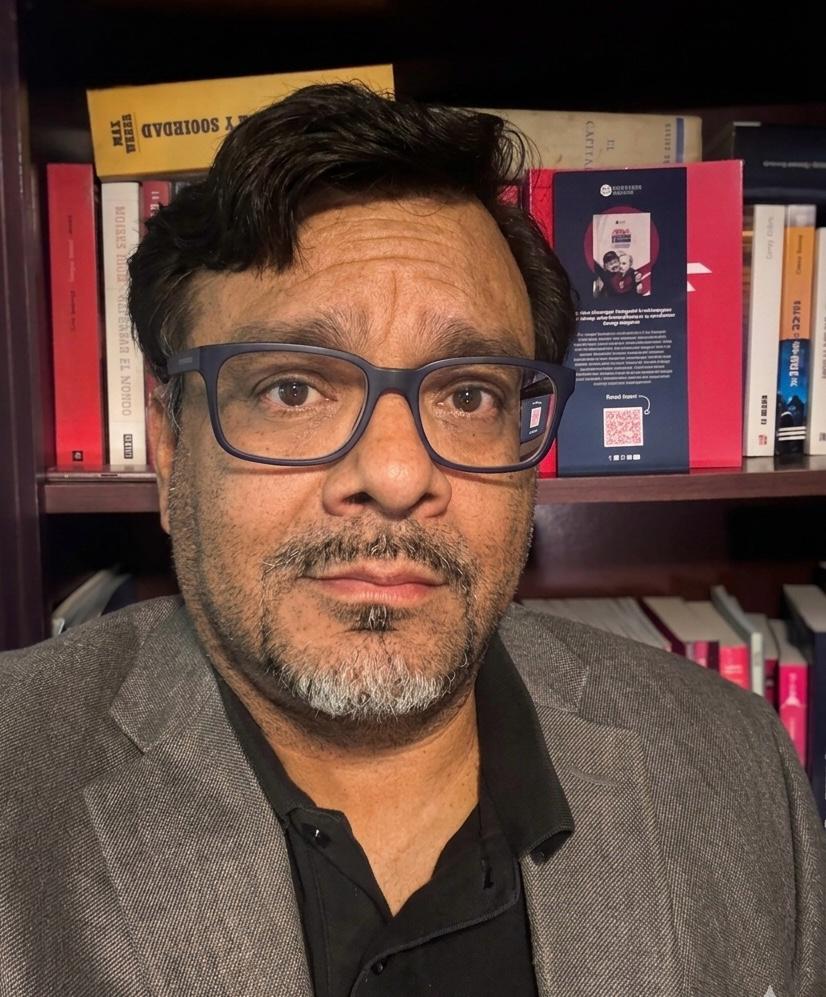
The partnership runs deep, manifesting itself through military agreements and support from Russian state media outlets such as RT and Sputnik to Nicaragua’s pro-government media network.
As the alliance strengthened, Nicaragua also backed Russia’s 2022 invasion of Ukraine. In doing so, it aligned itself with Moscow’s efforts to project influence into regions close to the United States, according to Meléndez.
“The challenge now is not merely recognizing the problem, but understanding its regional dimension. Russian influence is no longer confined to Nicaragua; it extends into other countries through media outlets, political networks, training programs, academic initiatives, and information campaigns,” Meléndez warned.
For Ortega and Murillo, the relationship is so important that two of their sons have been placed in charge of negotiations with anti-U.S. powers. Laureano Ortega Murillo serves as the key liaison with Russia, China, and Iran, while Daniel Edmundo Ortega oversees the propaganda apparatus, which receives regular training from its Russian counterparts.
Meléndez also points out that Nicaragua has simultaneously deepened its ties with Belarus and other authoritarian regimes. What is concerning, he argues, is that this is not an isolated policy but rather “a consistent foreign policy orientation.”
Nicaragua Shows “Negative Indicators Across Trump’s Priorities”
Political scientist Manuel Orozco has closely monitored Nicaragua’s situation for decades. He serves as director of the Migration and Remittances Program at the Washington-based think tank Inter-American Dialogue.
Orozco describes Nicaragua’s dictatorship as the most authoritarian and anti-democratic regime in the Americas. In his view, the Trump administration’s warning is no accident. He notes that the Treasury Department’s most recent sanctions have focused on China, while perceptions of Russia in the United States are calibrated differently.
“Under Donald Trump’s current administration, alliances are defined by political actions consistent with four international priorities: reversing Chinese influence, preventing migration, reducing trade imbalances unfavorable to the United States, and combating illiberal actors such as organized crime and dictatorships. Of all Latin American countries, Nicaragua shows negative indicators in all four areas,” Orozco said.
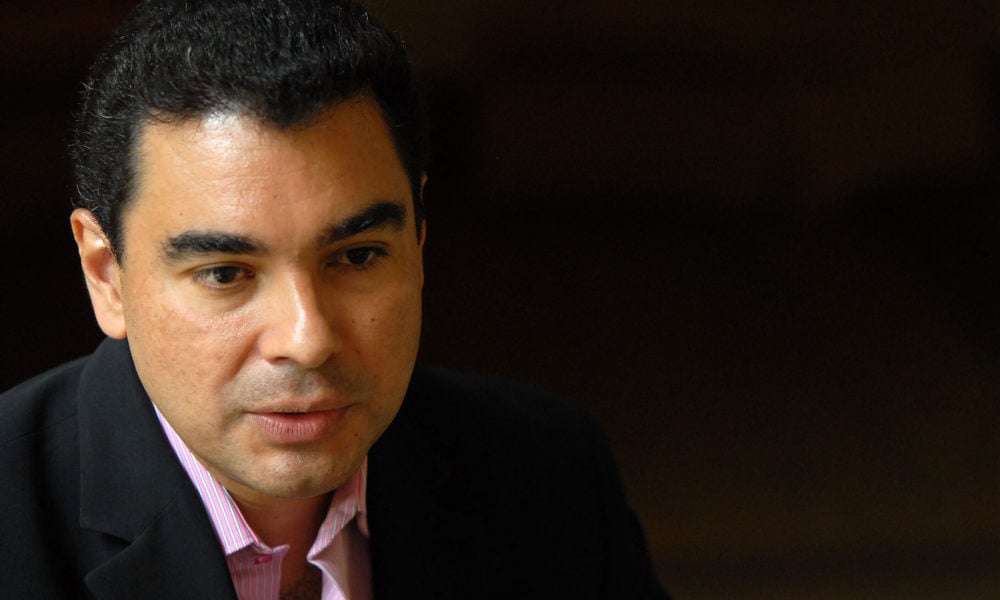
Drawing on statistical data, Orozco highlighted that under the Ortega-Murillo regime, Nicaragua has reached some of the most favorable agreements with China in the region. At the same time, Beijing has emerged as the dictatorship’s new financial backer as the Central American Bank for Economic Integration (CABEI) moves to reduce its exposure to the country.
For Orozco, the recent trip by Laureano and Daniel Edmundo Ortega Murillo to an economic forum in St. Petersburg, Russia—which coincided with the postponed congressional hearing on Nicaragua—demonstrates that the dictatorship is engaging in a “calculated risk, believing that the Americans are not going to touch us simply because we are traveling.”
During the visit, the Ortega-Murillo representatives signed agreements covering security cooperation, partnerships with Russian media organizations, nuclear medicine, and other areas. Laureano Ortega even stated that the agreements reaffirmed Nicaragua’s “brotherly ties” with Russia.
This political calculation, Orozco argues, rests on the belief that Nicaragua will not be treated like Cuba or Venezuela because “the balance of power is not unfavorable to the regime, nor does it display the same level of vulnerability.”
According to this view, the regime sees itself as more stable, reasoning that any attempt at destabilization would trigger migration flows—an outcome Washington seeks to avoid.
Orozco further argues that Laureano Ortega Murillo’s growing geopolitical role reflects a miscalculation. Laureano appears to view himself as a potential intermediary should the Trump administration shift from pressure to political transformation in Nicaragua.
“However, he is mistaken,” Orozco said.
Chamorro: “Ortega’s Position Has Been One of Open Confrontation”
Former Deputy Finance Minister Juan Sebastián Chamorro adds that Ortega’s historical approach has been one of confrontation with the United States.
He recalls Ortega repeatedly referring to anti-American regimes such as Iran as “brothers,” while also recognizing territories occupied by Russia in defiance of the international community.
“This red line regarding alliances with powers such as China and Russia is part of a broader policy aimed at preserving U.S. hemispheric hegemony and safeguarding American security,” Chamorro said.
The anti-American posture Chamorro describes also includes the use of migration as a political tool, allowing Cuban and Haitian migrants to transit freely through Nicaragua on their way to the United States.
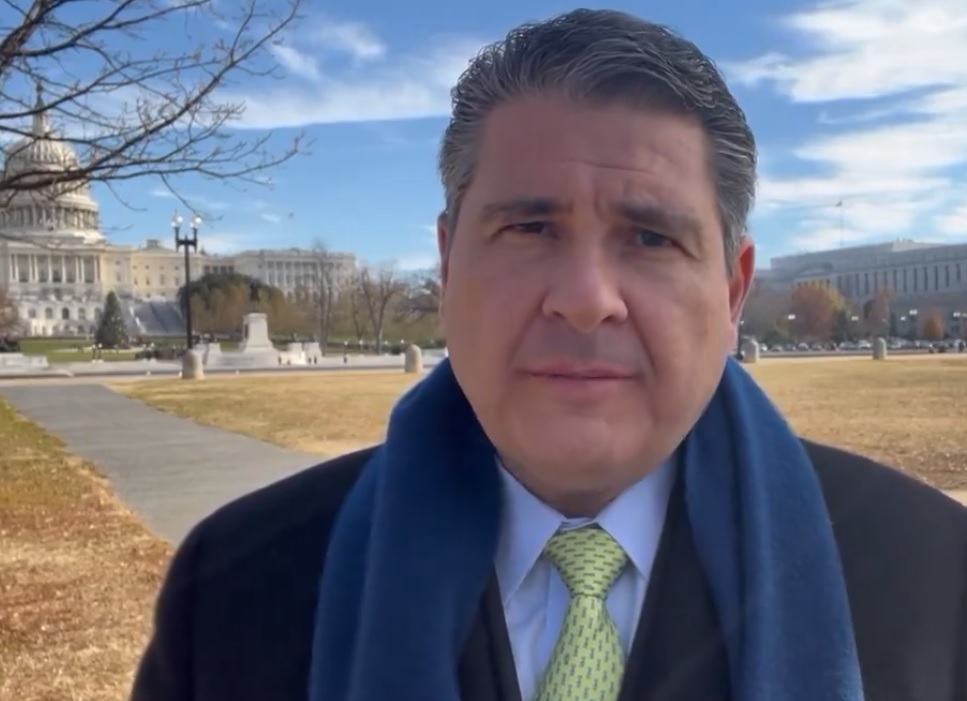
LA PRENSA
According to Chamorro, all of these factors have constituted a threat to U.S. national security. In that context, he views the Ortega sons’ trip to St. Petersburg as a clear gesture of support for Russian President Vladimir Putin.
Putin has watched the war in Ukraine drag on for nearly as long as World War II itself.
“They [the Ortega-Murillos] see that their patron is facing military difficulties. I mean, it’s not as if the war is going to end anytime soon,” Chamorro reflected.
According to Javier Meléndez, Ortega has never abandoned his Cold War ideological outlook. Yet he again emphasizes that what has emerged in recent years is a growing web of alliances among actors considered strategic competitors or adversaries of Washington, including Iran.
“The concern is not centered on a conventional military threat. What matters is the transfer of capabilities, technologies, and practices associated with authoritarian regimes,” Meléndez emphasized.
This version preserves the tone, structure, and style of an English-language newspaper feature while remaining faithful to the original Spanish text. Translated with the help of ChatGPT.